
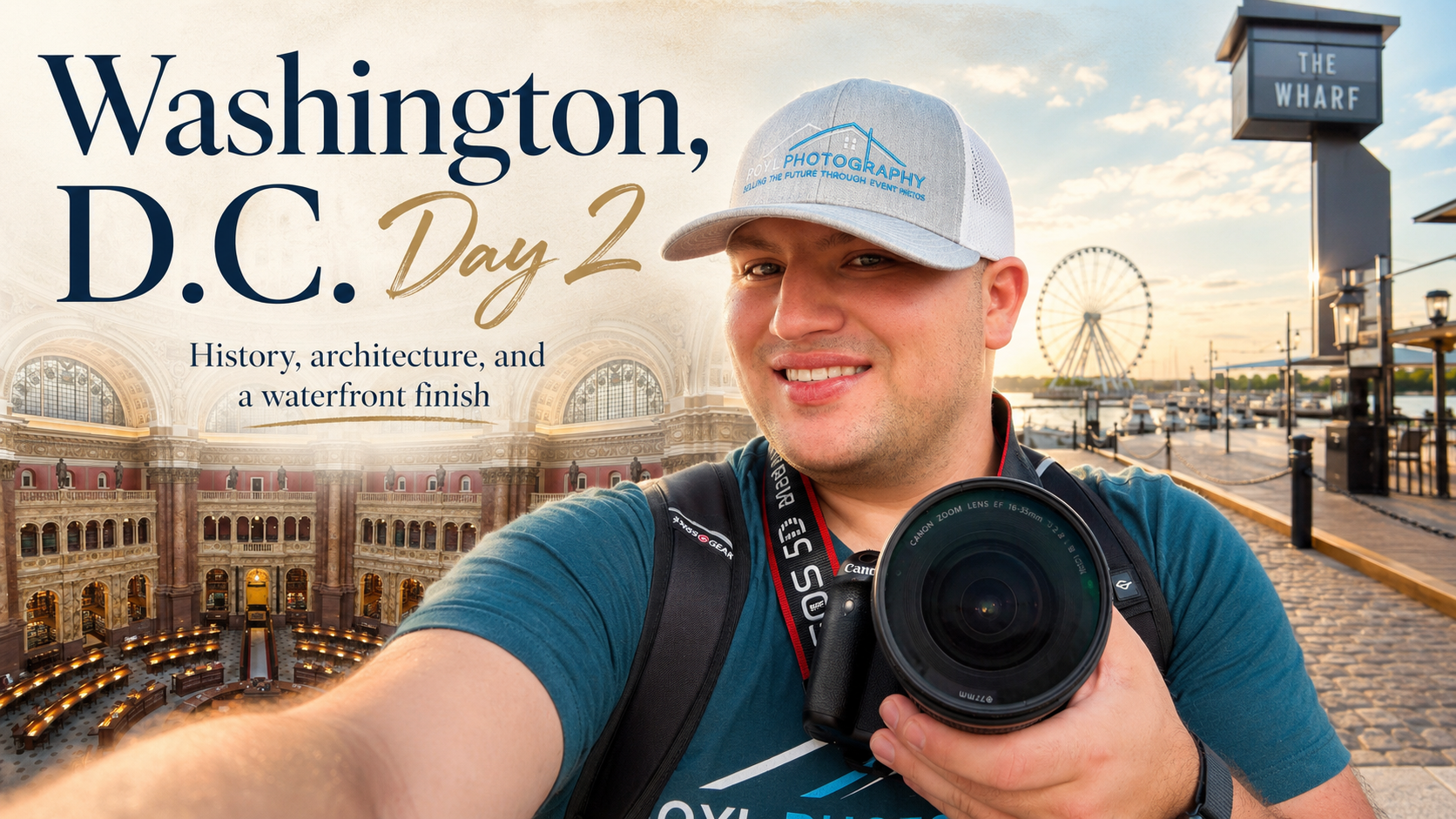
Our second day in Washington, D.C. was our first full day in the city, and we covered a lot of ground without feeling like we were simply racing from one attraction to the next.
We started the morning surrounded by aviation history at the Smithsonian National Air and Space Museum, spent part of the afternoon seeing D.C. from the top of a Big Bus, toured the U.S. Capitol, explored the Library of Congress, and ended the day with dinner along the waterfront at The Wharf.
It turned into one of my favorite days of the trip.
Starting the Day at the Smithsonian National Air and Space Museum
One advantage of where we stayed was location. Our hotel was only about two blocks from the Smithsonian National Air and Space Museum, so instead of worrying about transportation first thing in the morning, we simply grabbed the camera and walked over.
For anyone interested in aviation or space, this museum can easily take several hours.
One of the first things that caught my attention was the lunar module. Seeing equipment connected to America's space program in person gives you a completely different appreciation for the engineering involved.
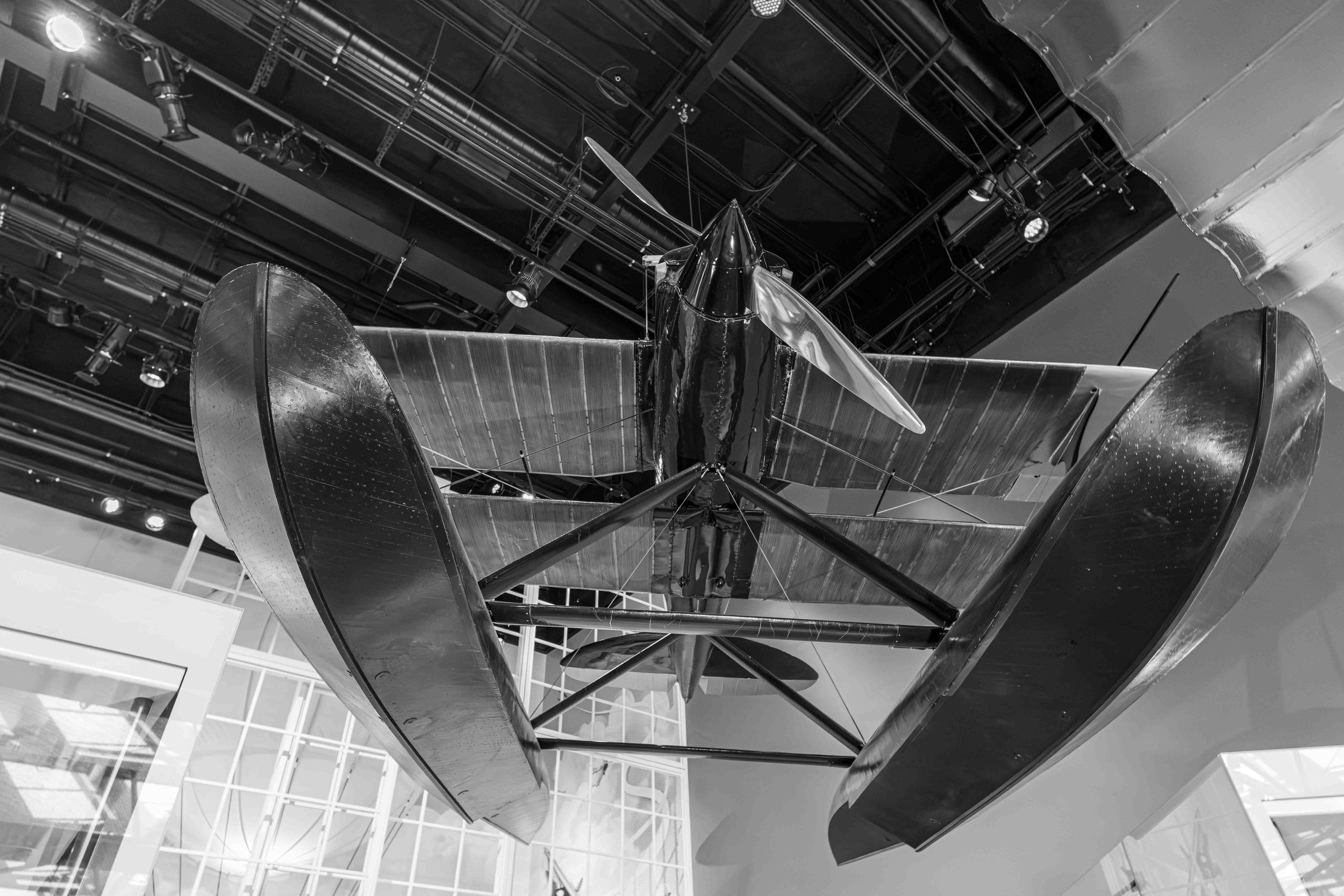
From there, we moved into the earliest days of powered flight.
The Wright Brothers
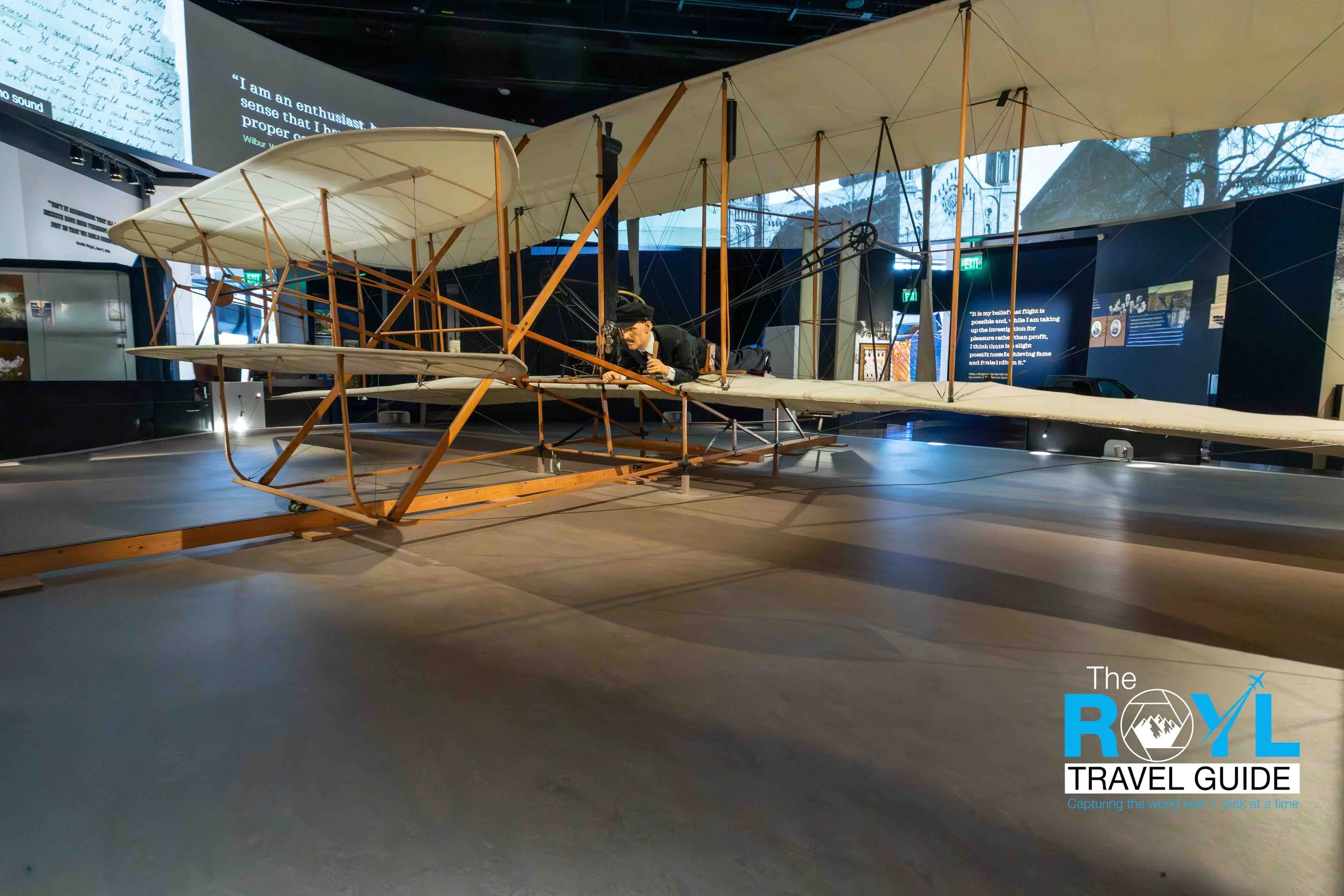
The Wright brothers exhibit was one of my favorite parts of the museum.
Seeing the progression from those first experimental aircraft to the airplanes we fly on today puts just how quickly aviation developed into perspective.
The early machines look incredibly simple compared with a modern airliner, but they laid the foundation for an industry that eventually connected the world.
As both a traveler and photographer, this was one of those exhibits where I could have easily spent far more time than I originally planned.
America by Air
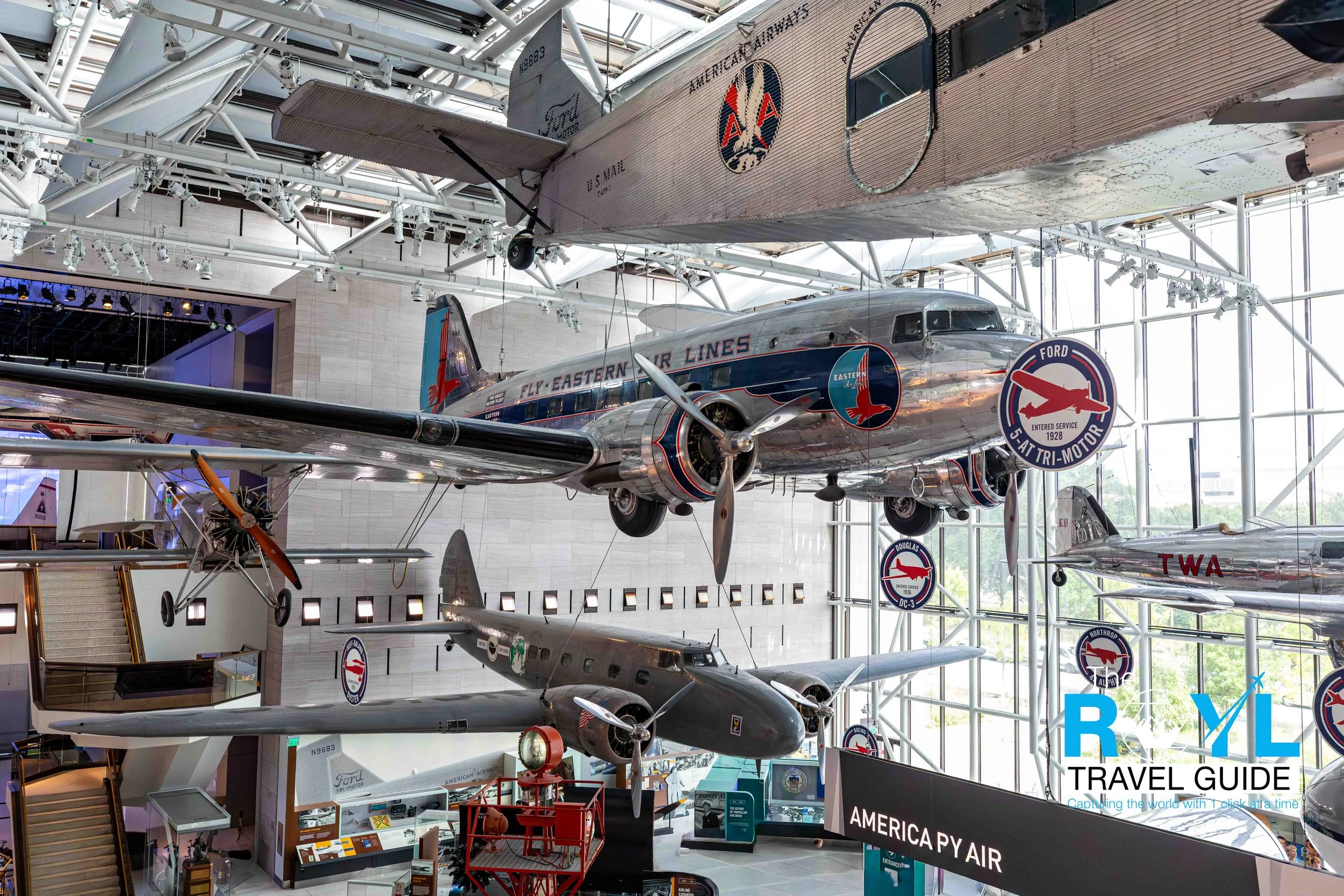
The America by Air exhibit was another highlight.
This section focuses on the development of commercial aviation and how air travel went from something available to relatively few people to a normal part of everyday travel.
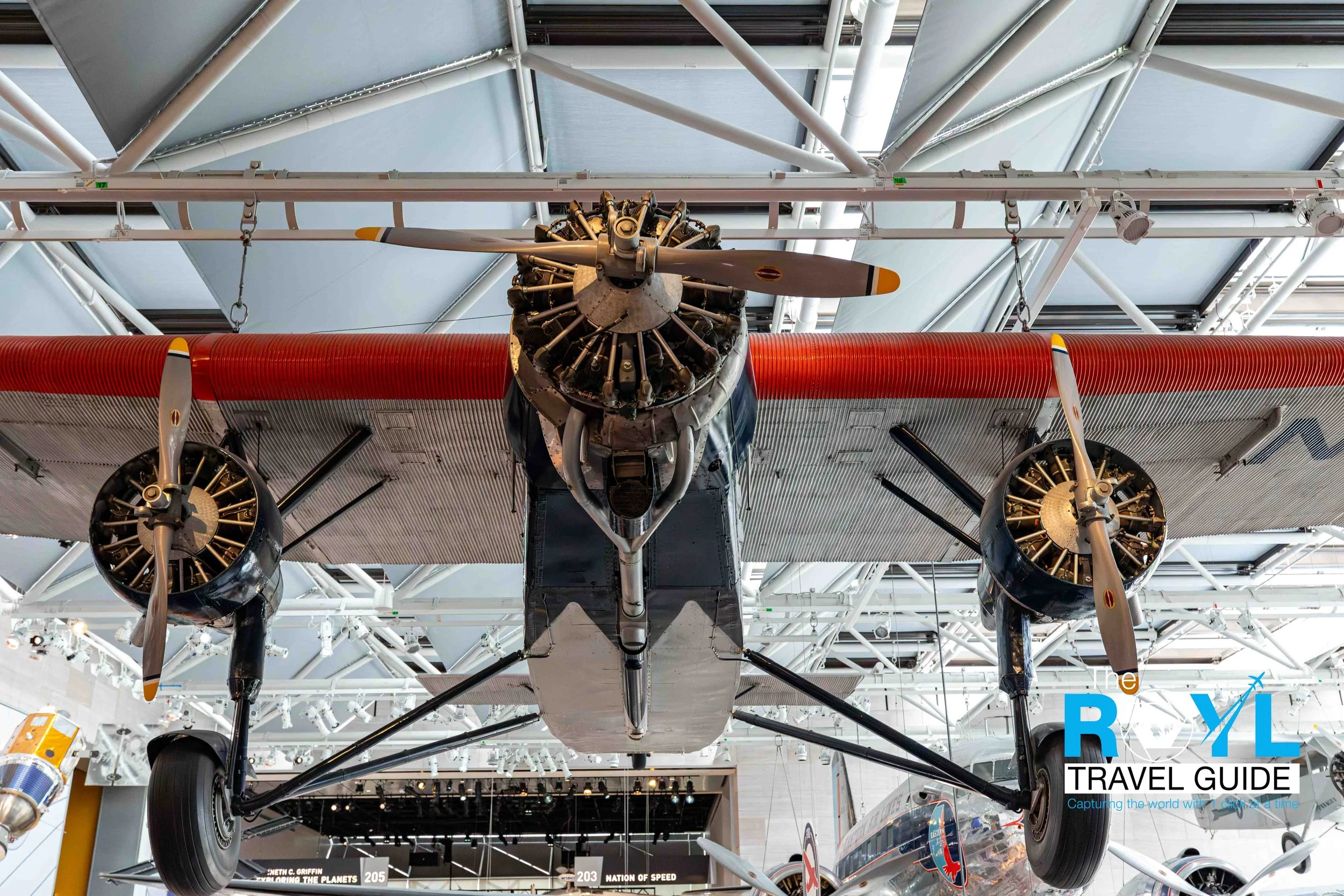
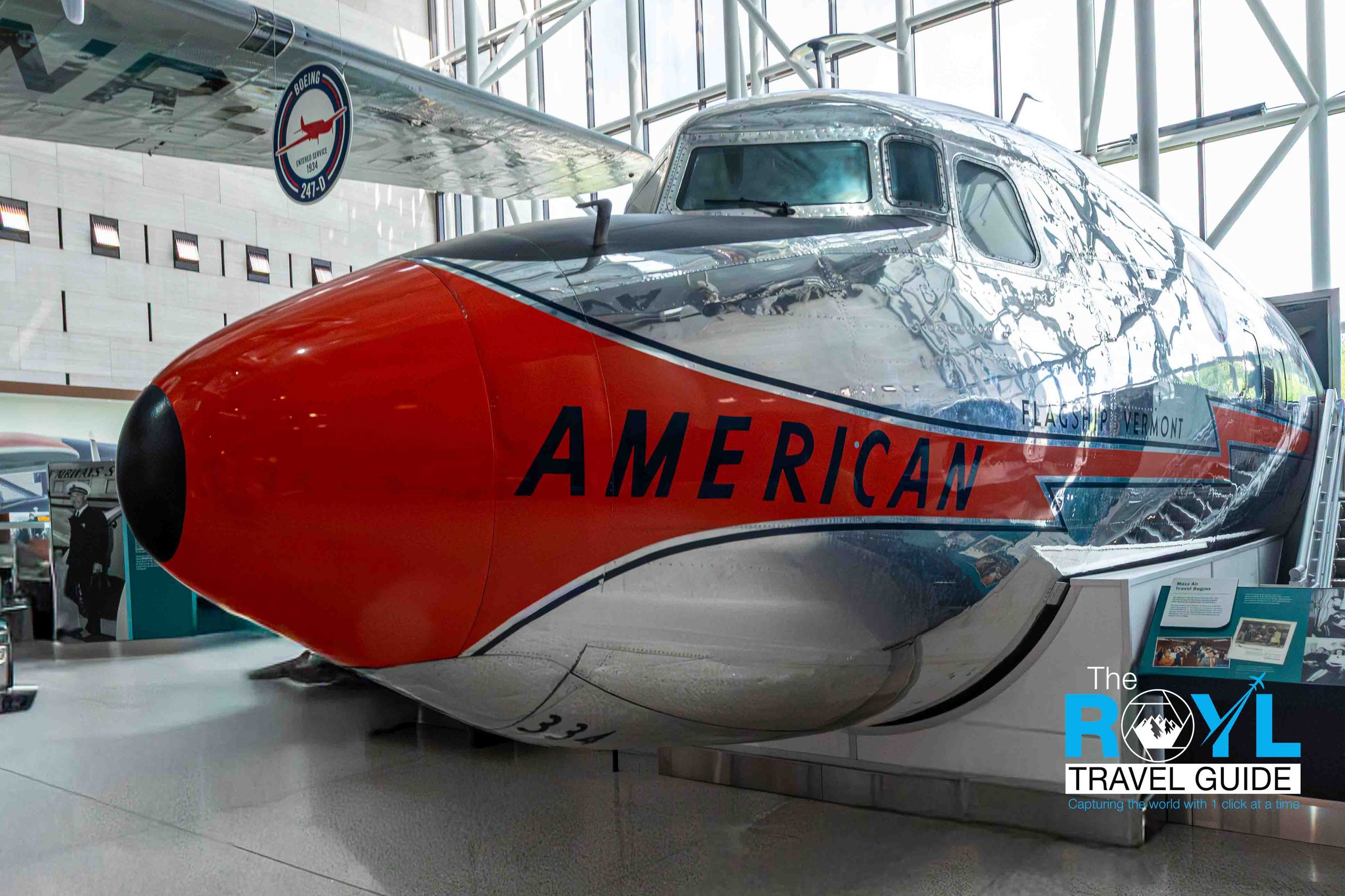
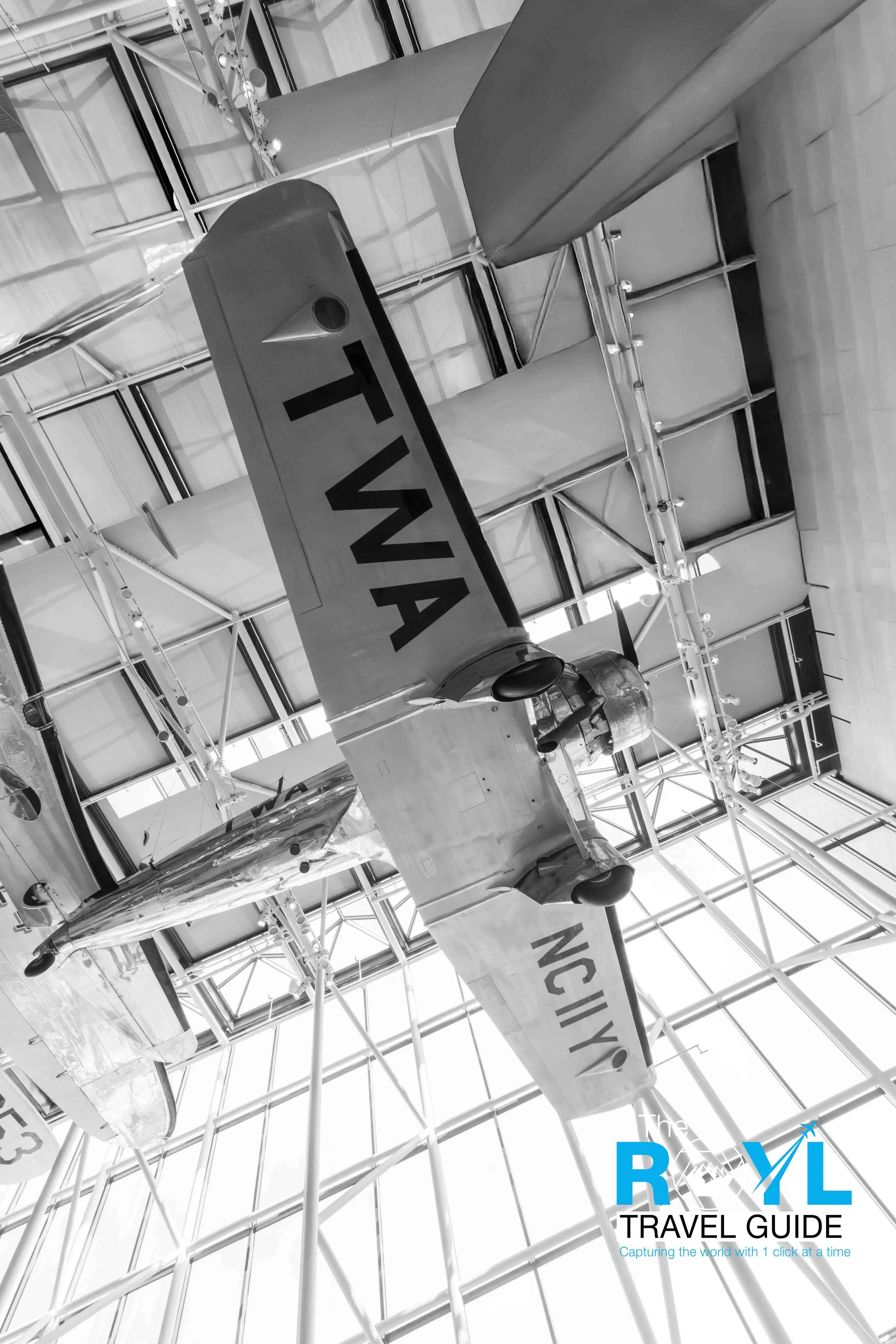
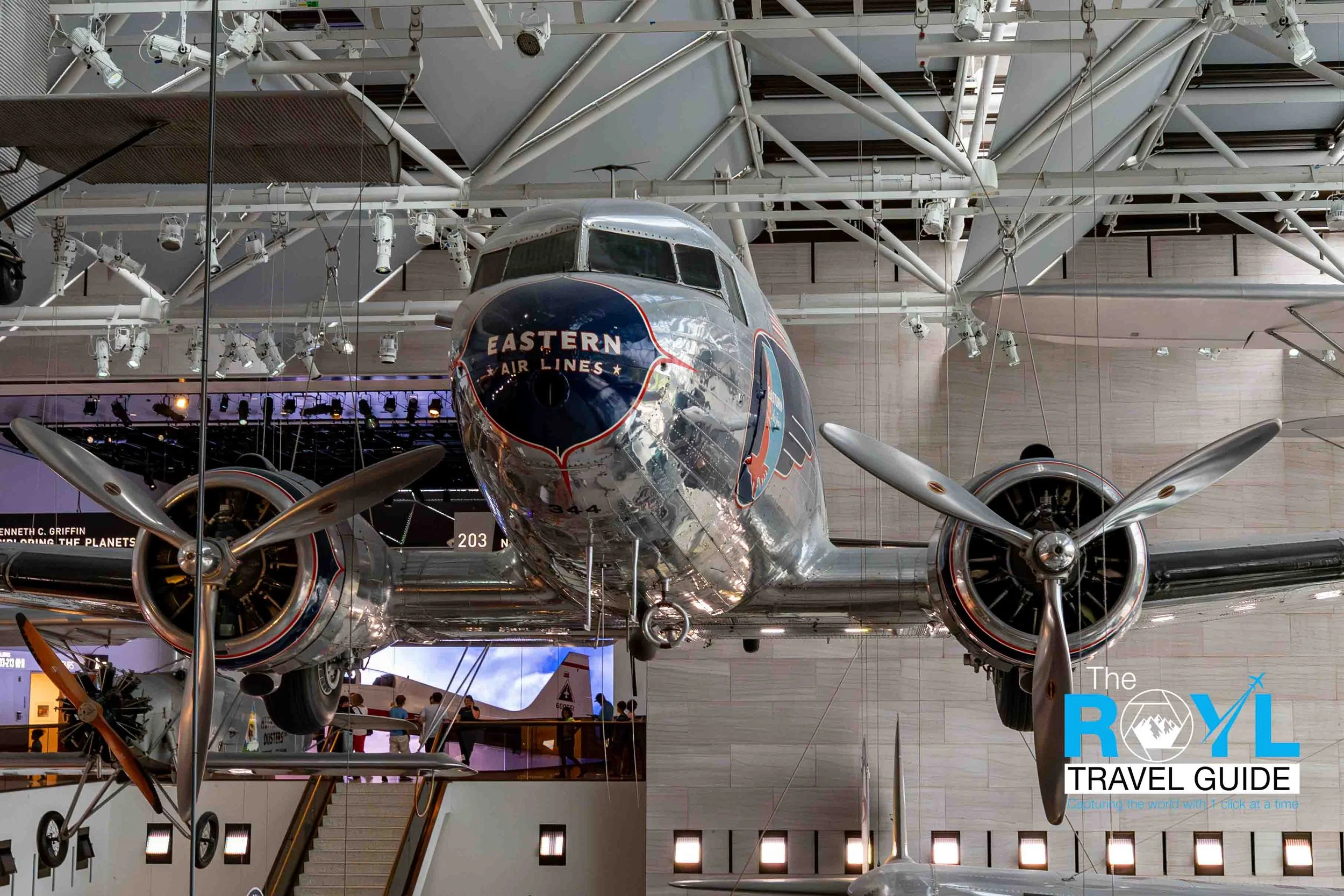
Historic aircraft are suspended throughout the exhibit, including examples from airlines such as American, Eastern and TWA.
One aircraft that immediately stood out was the polished American Airlines Flagship Vermont. The bright metal finish and red nose make it hard to miss.
The Eastern Air Lines aircraft was another favorite, along with the Ford Tri-Motor overhead.
These airplanes are interesting historically, but they are also fantastic to photograph. Being able to walk underneath them and see the construction up close gives you a much better sense of scale than looking at them in a book or online.
From Early Flight to Modern Aviation
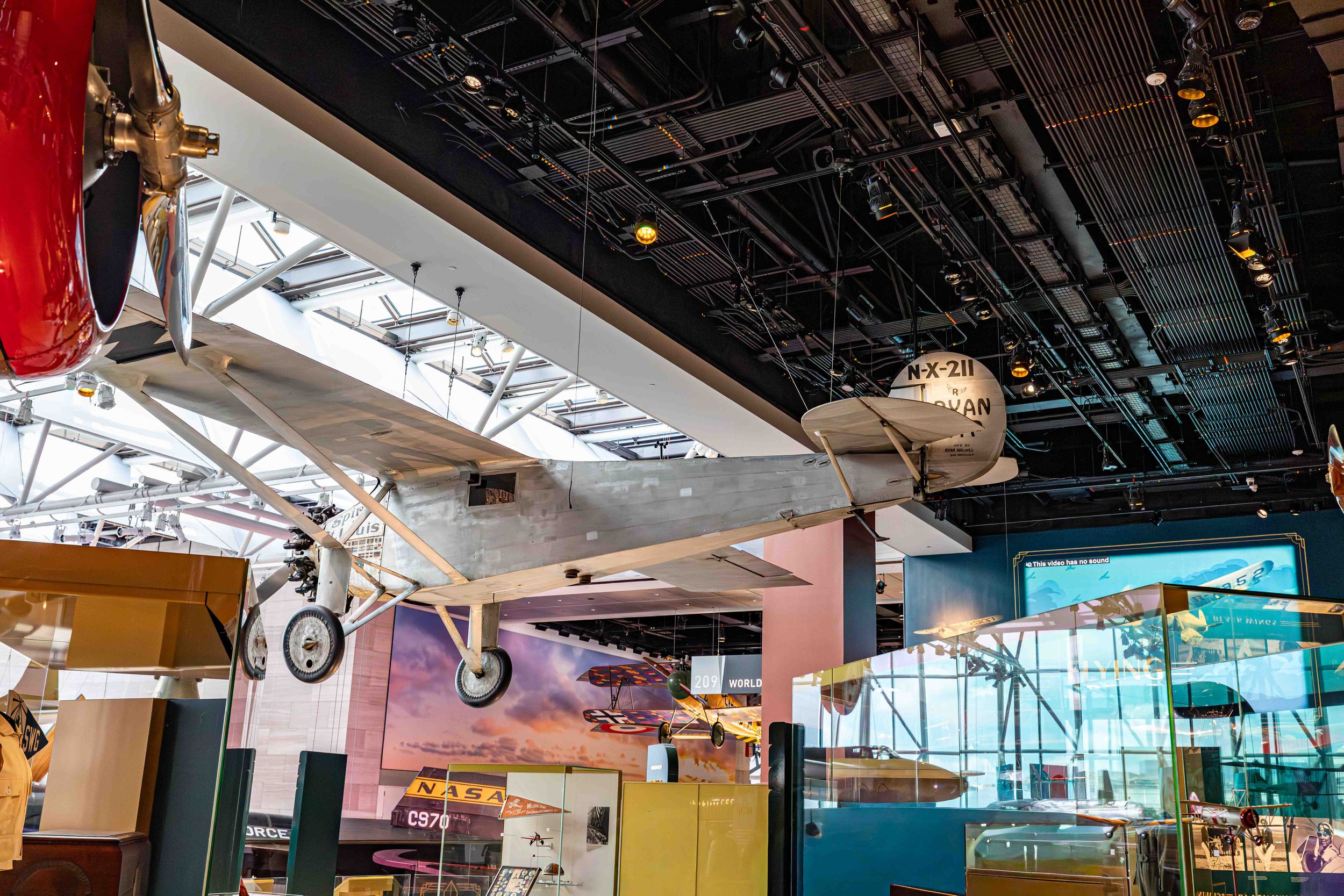
The museum also does a good job of showing that aviation history didn't stop with the development of the airlines.
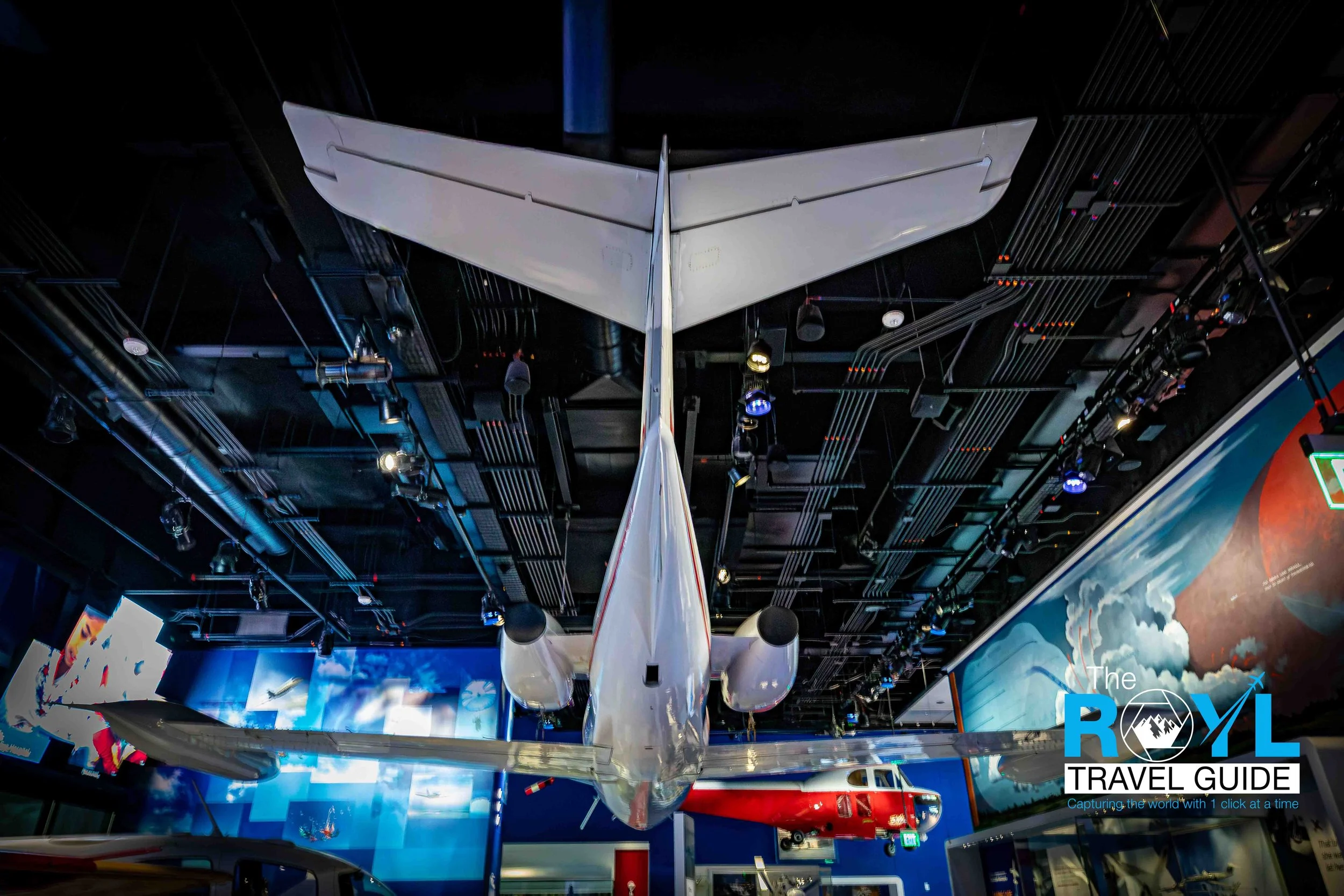
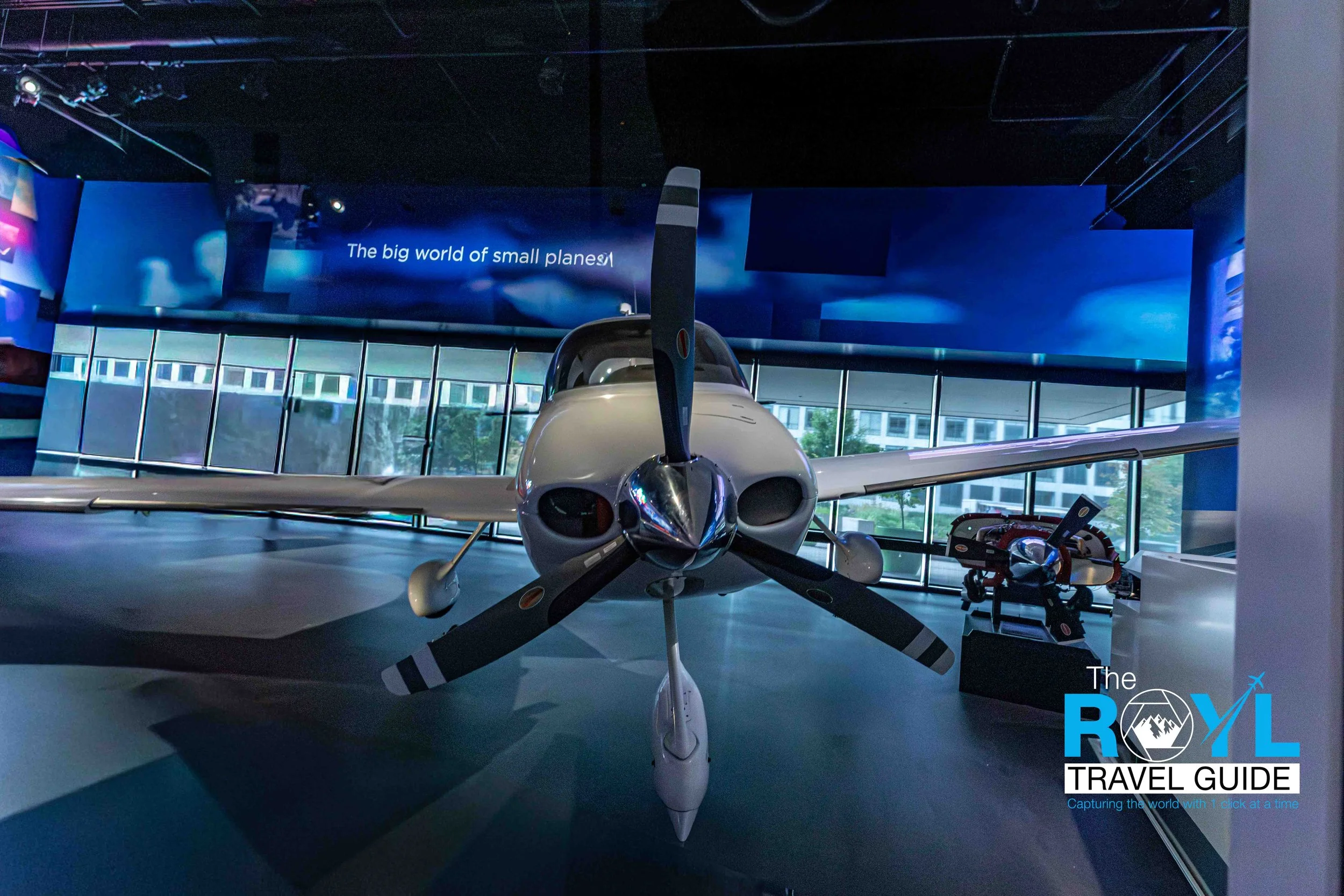
We saw smaller general aviation aircraft, a modern Cirrus and an aerobatic airplane suspended above the exhibits.
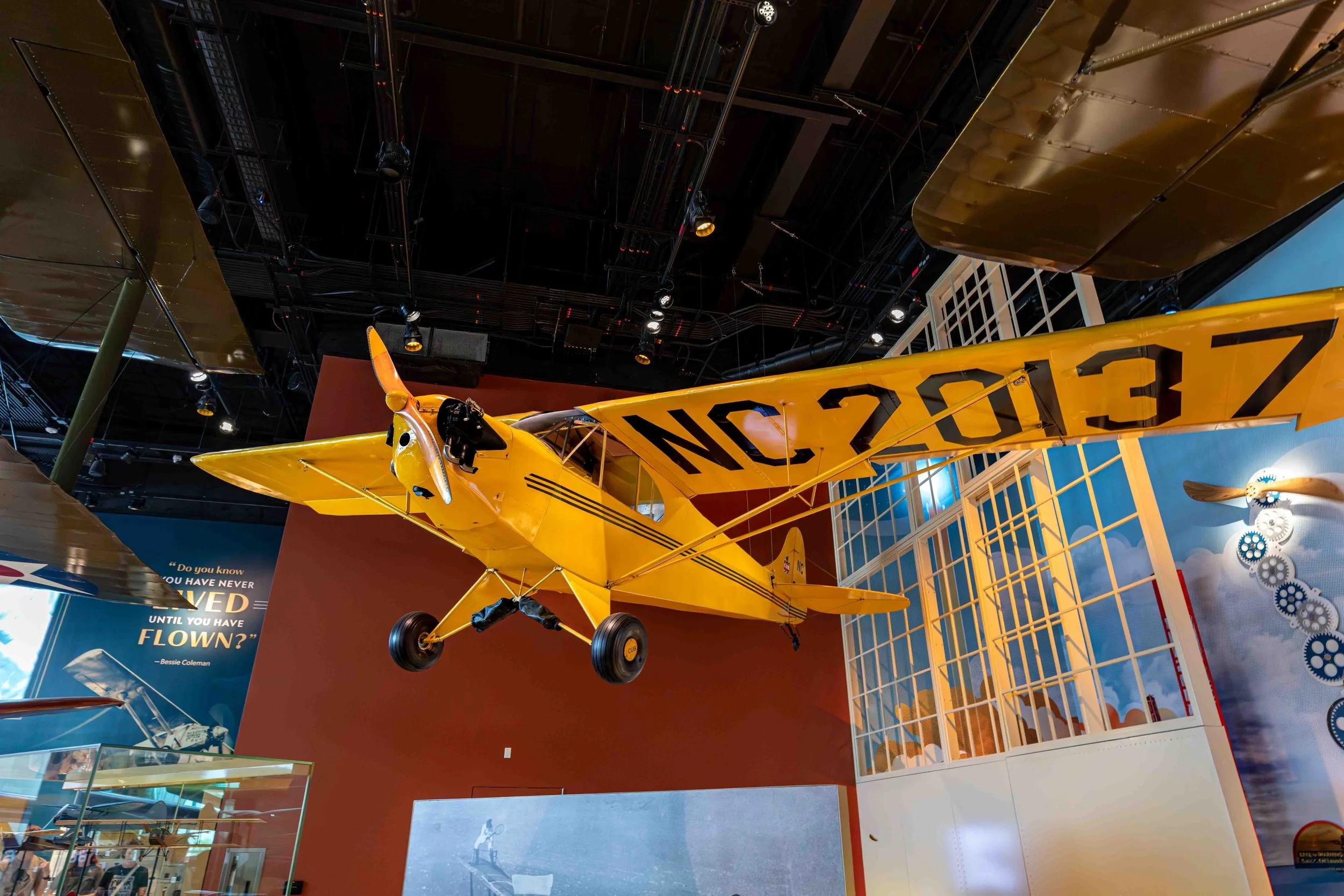
The contrast between those aircraft and the Wright brothers section from earlier in the morning was probably what interested me most.
Within a relatively short walk, you go from the earliest experiments in powered flight to airplanes capable of precision aerobatics and modern personal transportation.
And then, of course, there is the space side of the museum.
Large planetary models and exhibits about our solar system made for a nice transition before we headed back outside to continue the day.
Seeing Washington from the Big Bus
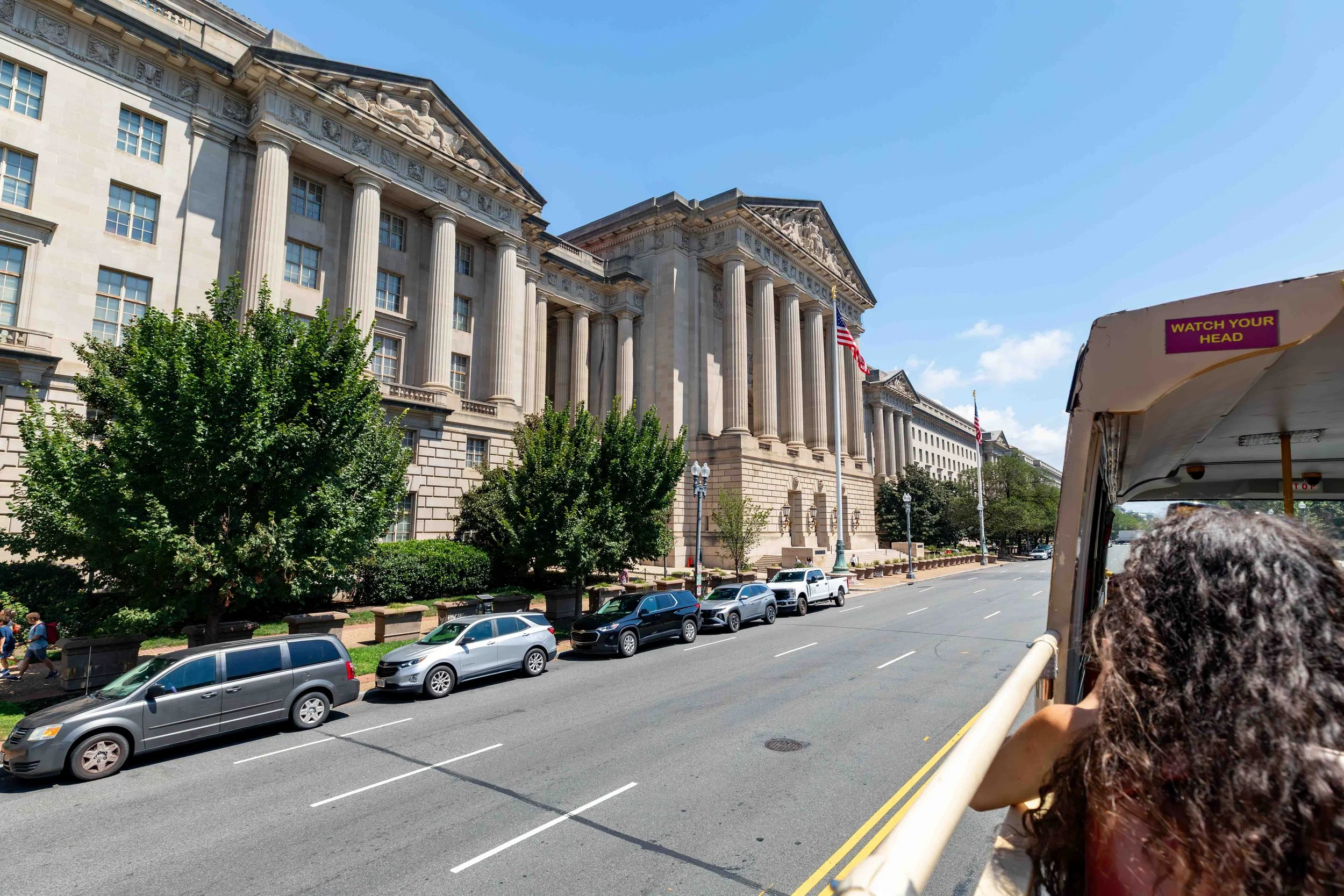
After leaving the Air and Space Museum, we boarded the Big Bus Washington, D.C. Hop-On Hop-Off Tour.
For a first trip to D.C., I found this to be a useful way of seeing more of the city without spending the entire day walking.
Sitting on the open upper level also gave me a completely different angle for photography.
As we rode through the city, we passed landmarks including the National Museum of African American History and Culture, the National Archives, federal buildings and different sections of downtown Washington.
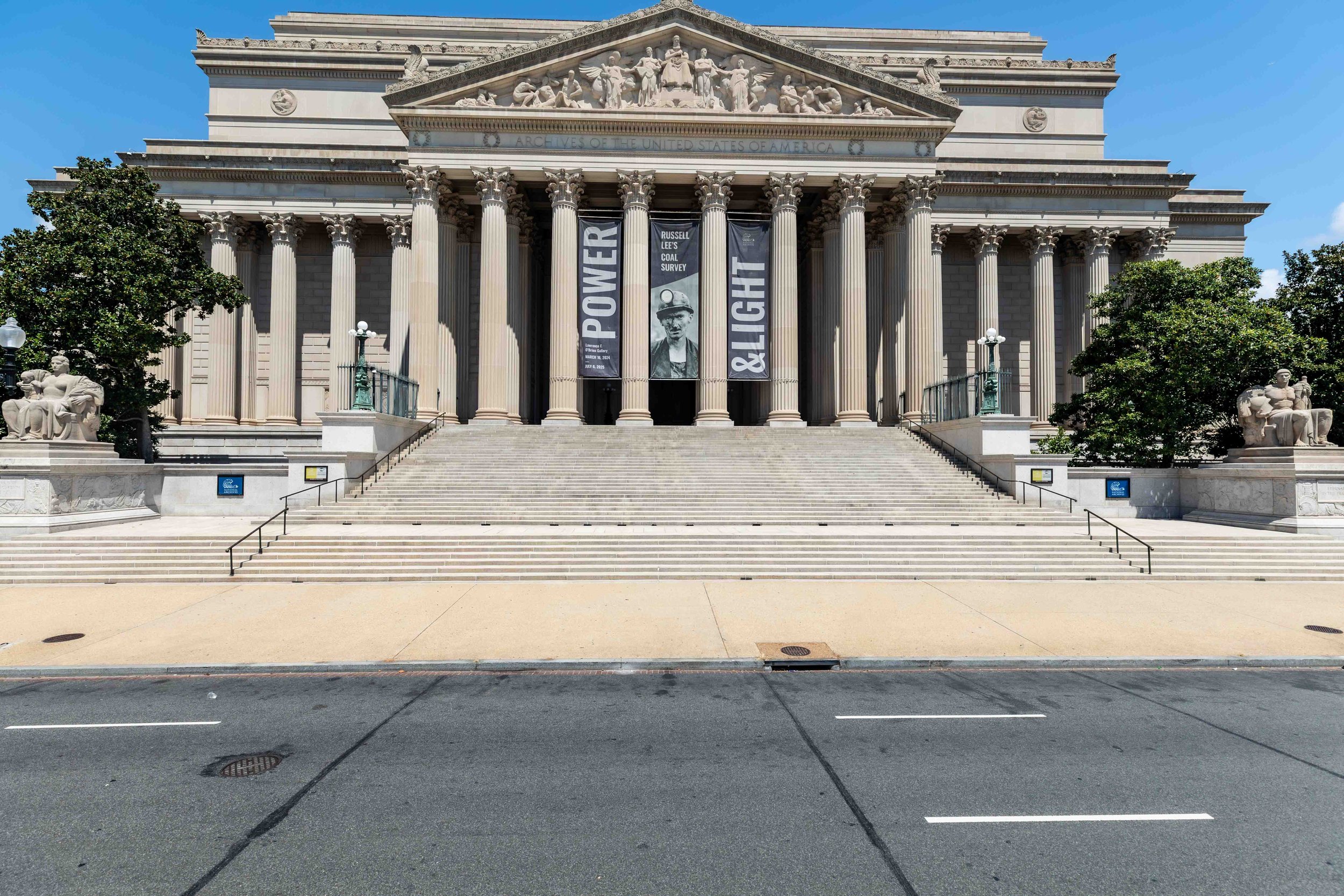
National Archives
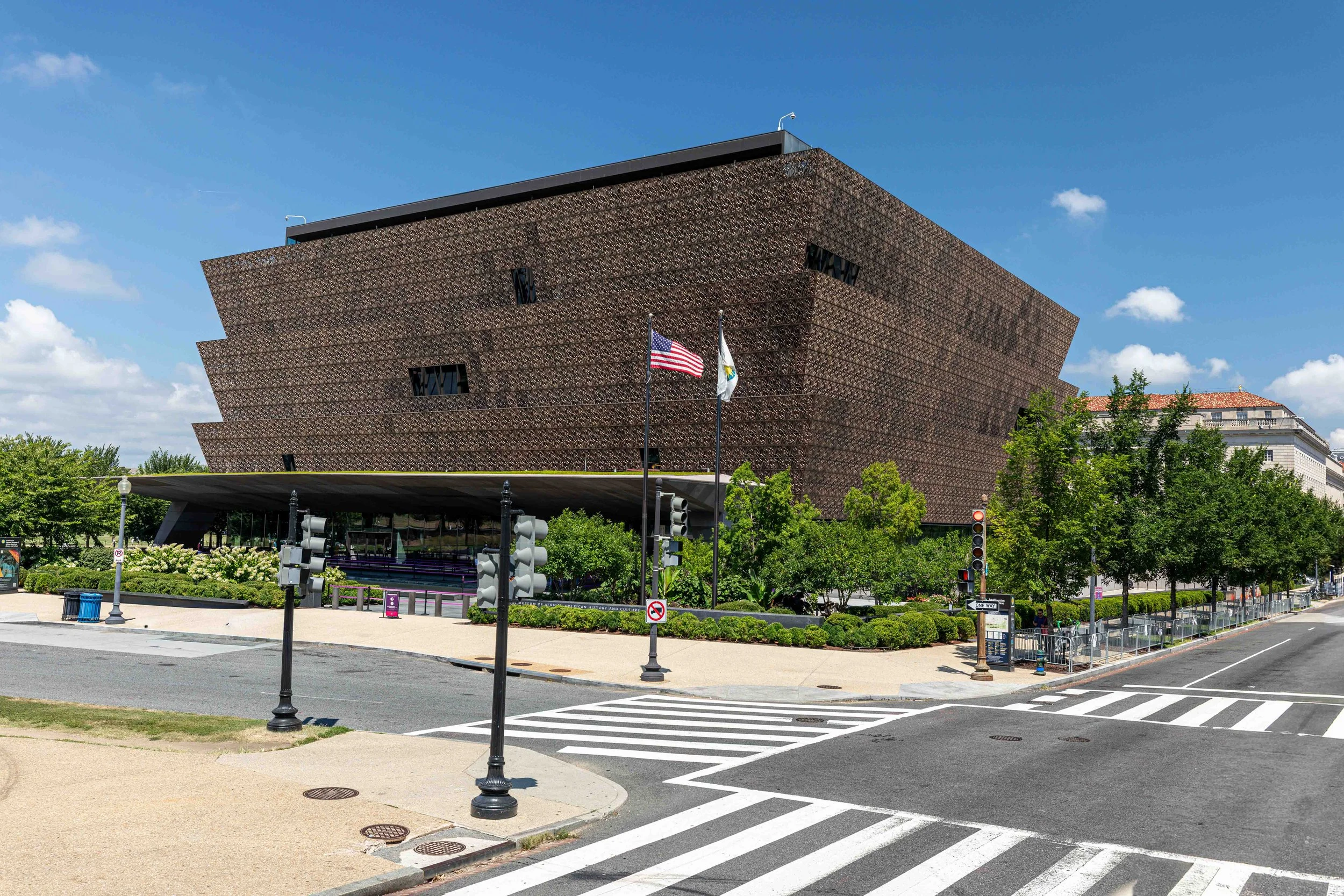
National Museum of African American
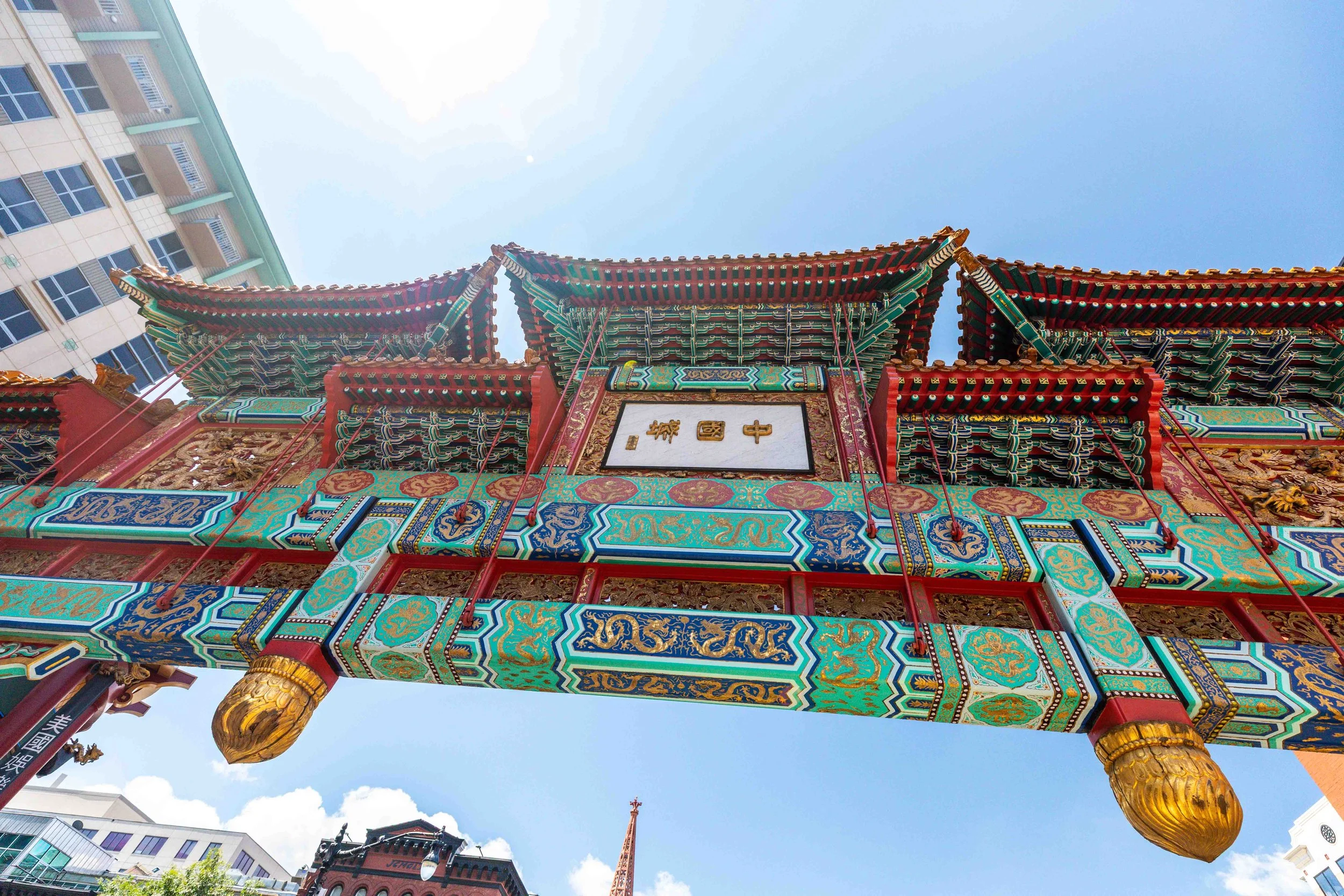
Friendship Archway
We also passed through Chinatown and beneath the colorful Friendship Archway.
That was one of the things I enjoyed about using the bus. Even when we weren't getting off at every stop, we were still seeing parts of Washington that we probably would have missed if we had simply gone directly from one attraction to another.
Royl Travel Tip
If you're visiting Washington for the first time, consider using a hop-on hop-off bus toward the beginning of your trip.
You don't necessarily need to use it as your only transportation. Even riding part of the route can help you understand where the major attractions and neighborhoods are in relation to each other.
An Afternoon on Capitol Hill
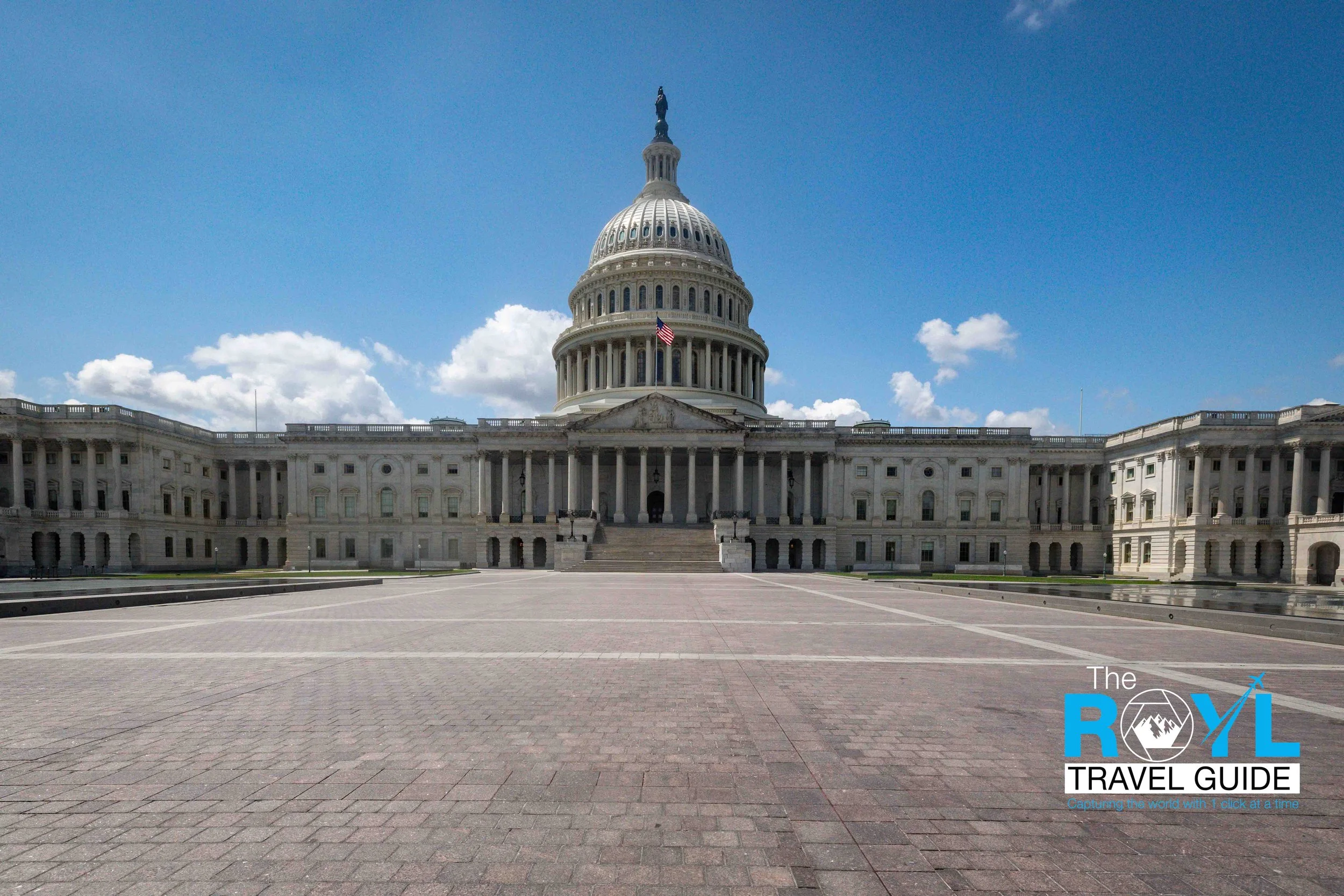
United States Capitol
Eventually, we made our way toward Capitol Hill.
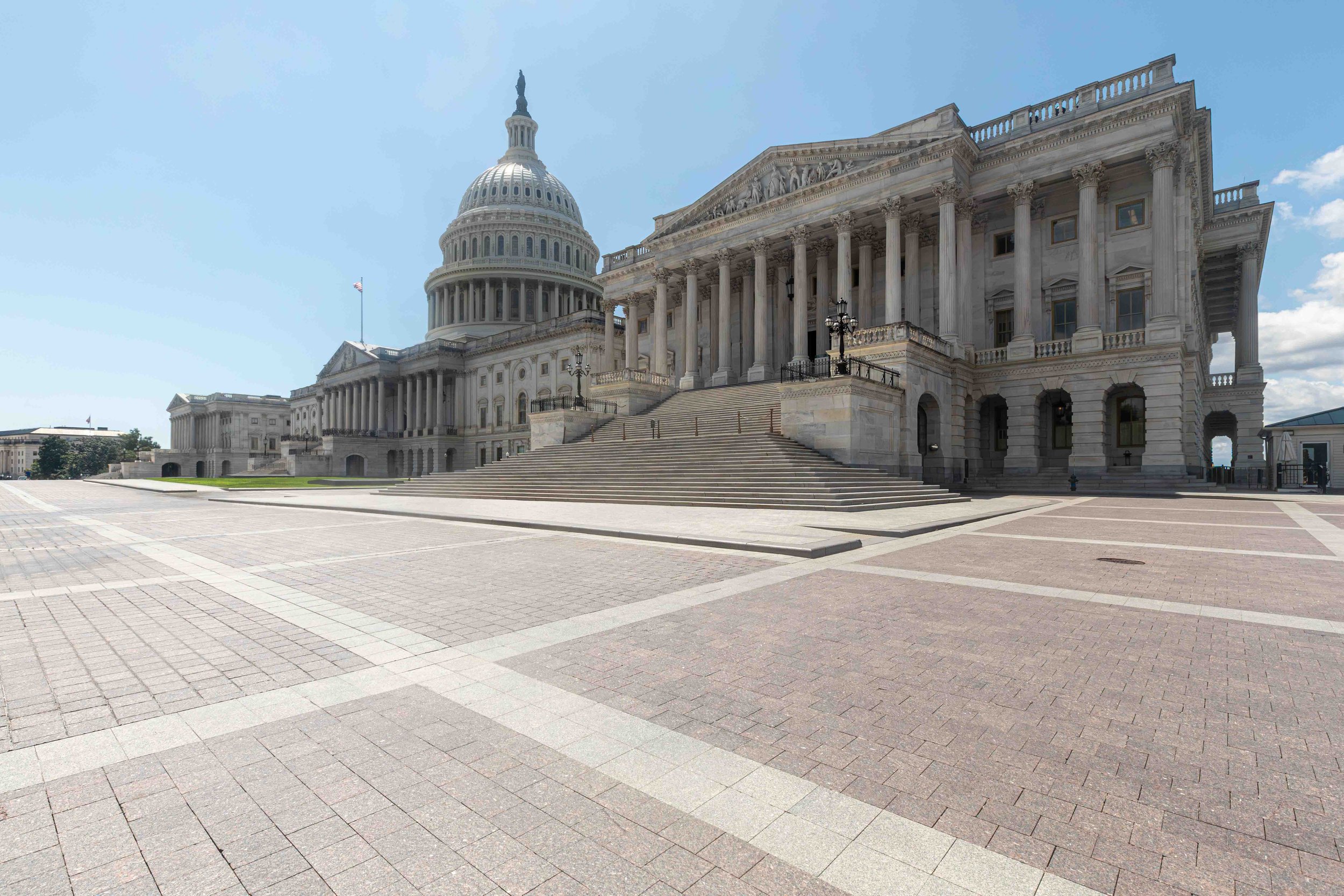
Seeing the United States Capitol in person is impressive before you even step inside.
The dome dominates the view as you approach, but getting closer also lets you appreciate the smaller architectural details that are easy to miss from a distance.
Naturally, I spent some time photographing the exterior before we headed inside.
Touring the U.S. Capitol
We entered through the U.S. Capitol Visitor Center and joined a tour of the building.
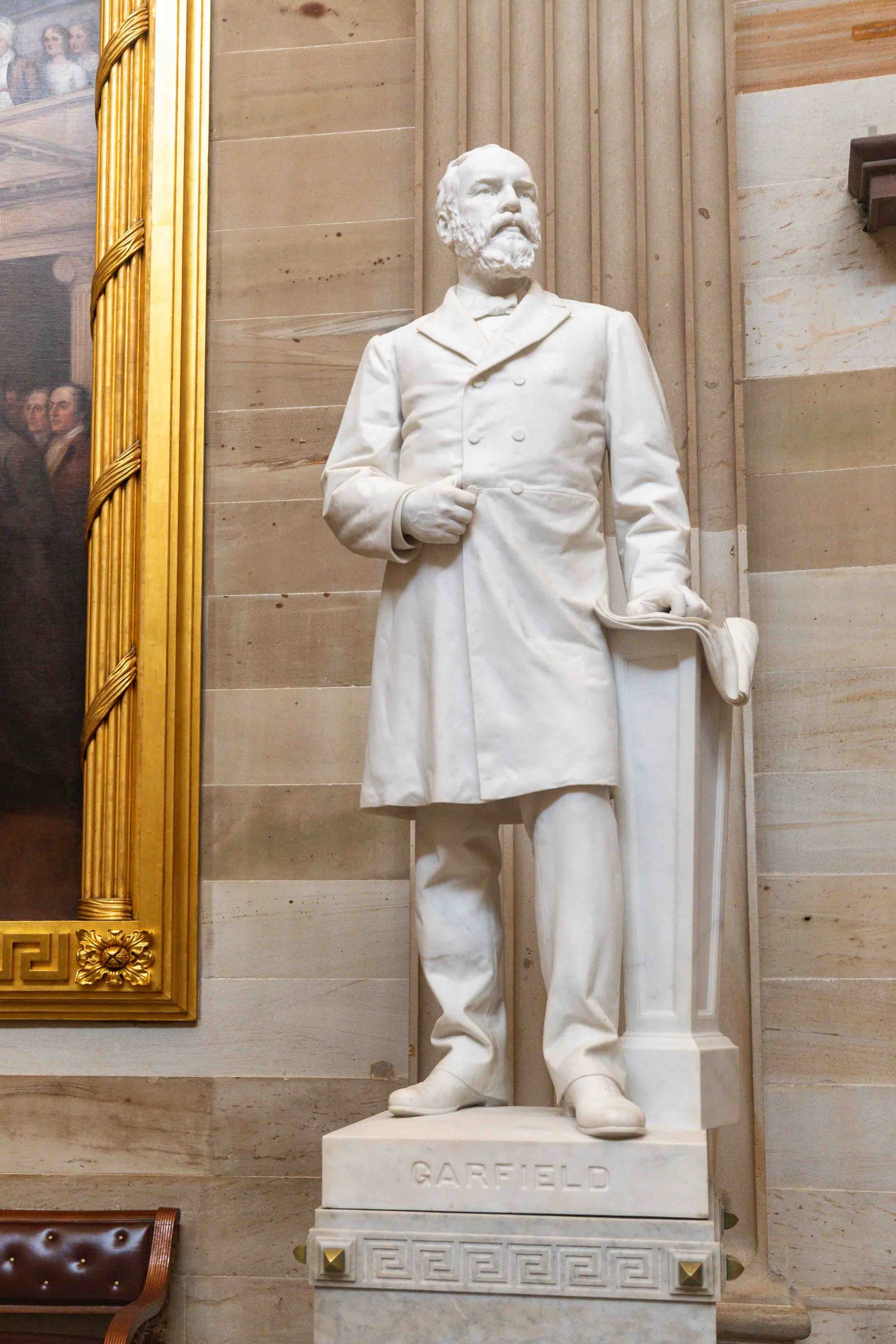
The highlight for me was the Capitol Rotunda.
Walking into the Rotunda and looking straight up at the dome is one of those experiences where photographs don't quite capture the scale.
At the center is The Apotheosis of Washington, surrounded by architectural details and artwork covering the interior of the dome.
Historic paintings line the walls of the Rotunda, while sculptures and monuments throughout the Capitol honor people who played significant roles in American history.
One statue in particular caught my attention for an obvious reason: Sam Houston.
Being from Texas, seeing Houston represented inside the U.S. Capitol gave this part of the tour a connection back home.
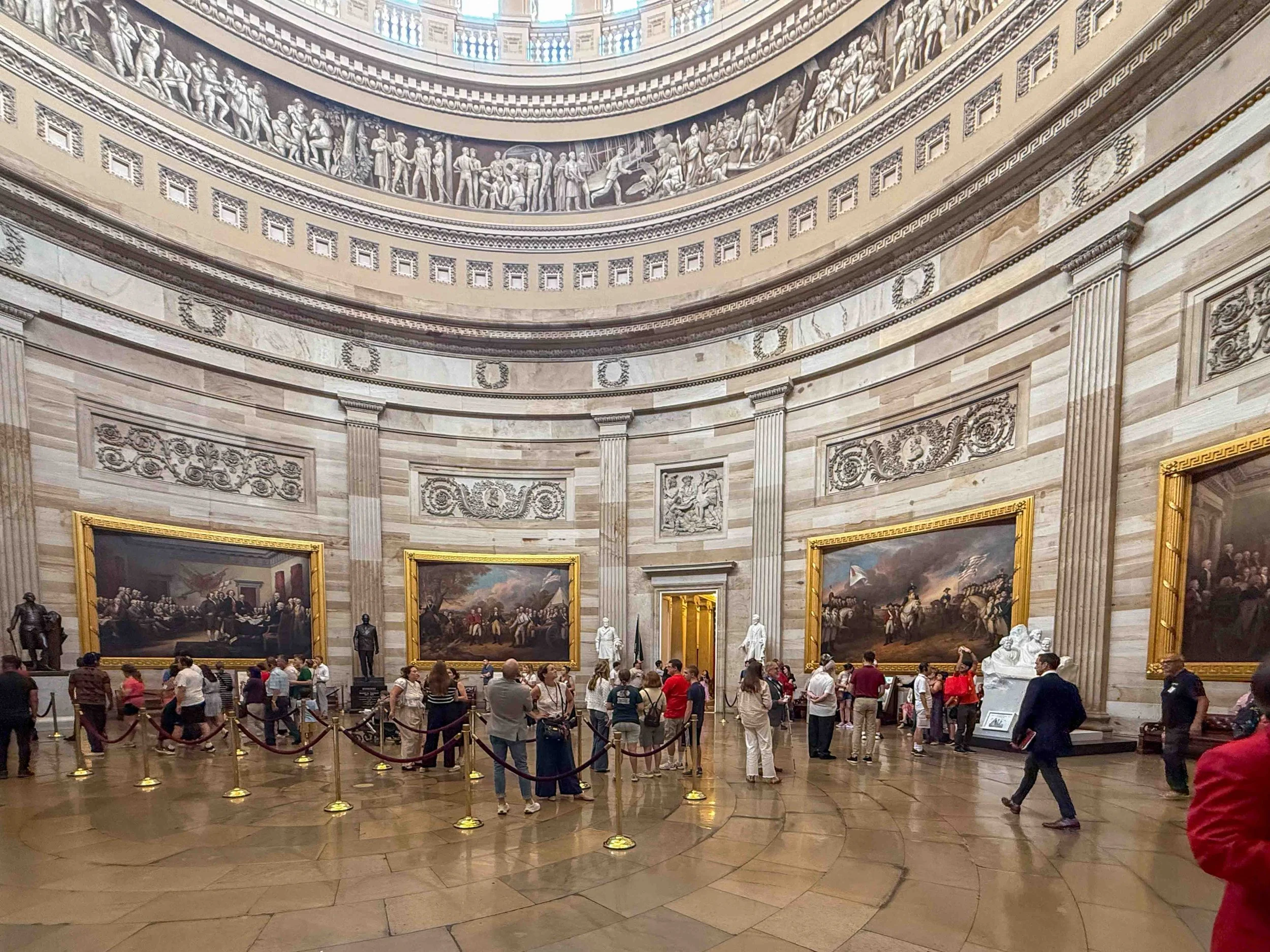
We also saw monuments and sculptures honoring figures such as James A. Garfield, Joseph Wheeler and women's rights leaders Lucretia Mott, Elizabeth Cady Stanton and Susan B. Anthony.
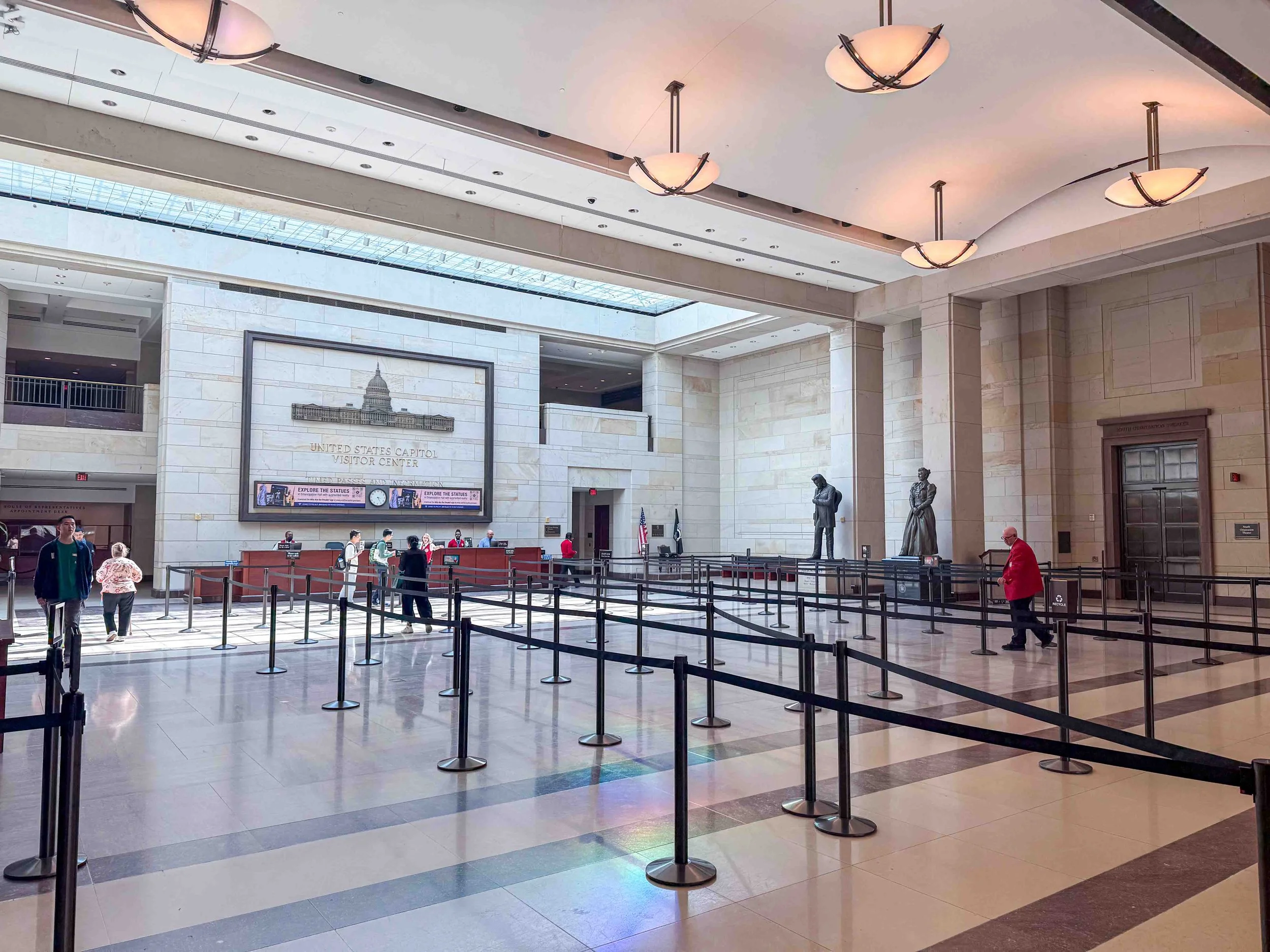
There is an incredible amount to see inside the Capitol, so my biggest suggestion is not to spend the entire tour looking through your camera.
Take the photos, but also give yourself time to actually look around.
The Library of Congress
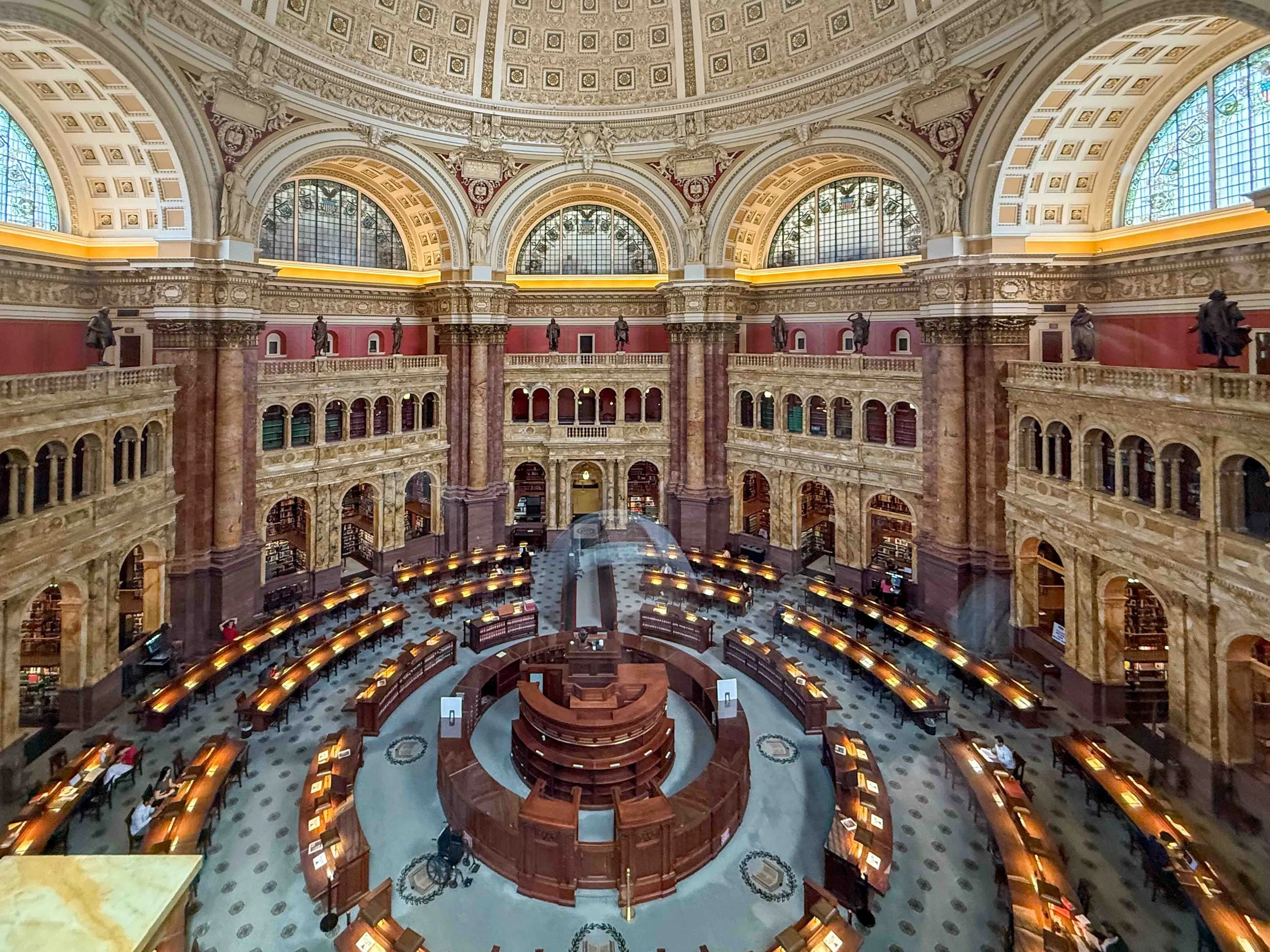
After the Capitol, we headed over to the Library of Congress Thomas Jefferson Building.
Of everything we saw on Day 2, this was probably the biggest architectural surprise.
The exterior is impressive.
The interior is even better.
Marble, mosaics, painted ceilings, columns and sculpture cover the building. There are details almost everywhere you look, particularly overhead.
As a photographer, this was easily one of my favorite places of the day.
The Gutenberg Bible
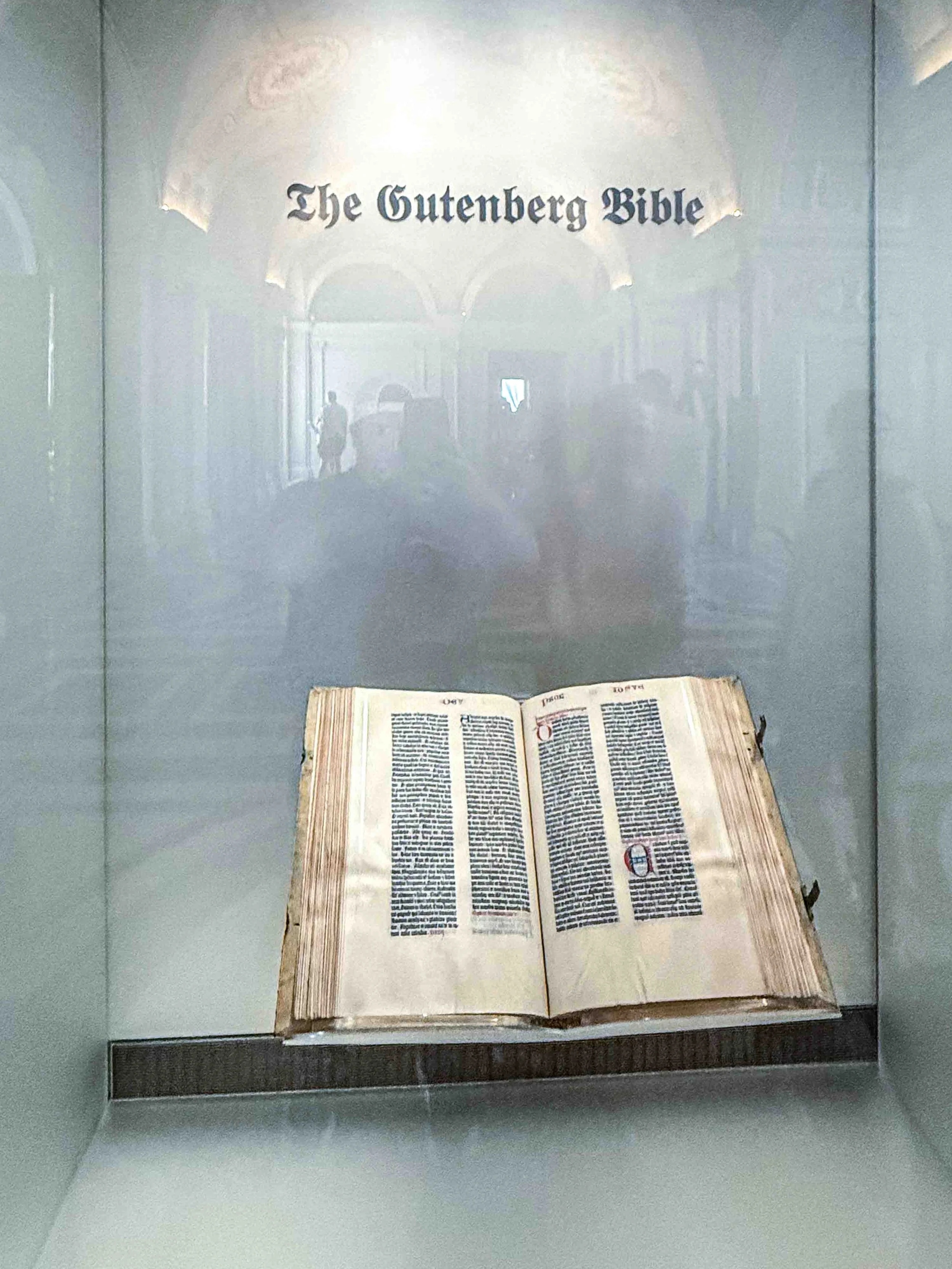
One of the most historically important pieces we saw inside was a Gutenberg Bible.
Gutenberg's printing technology played a major role in changing how books and information could be produced and distributed.
It's easy to become focused on the architecture inside the Library of Congress, but exhibits like this are worth slowing down for.
This is one of those places where some of the most interesting things can be missed if you're only trying to get to the next room.
Looking Into the Main Reading Room
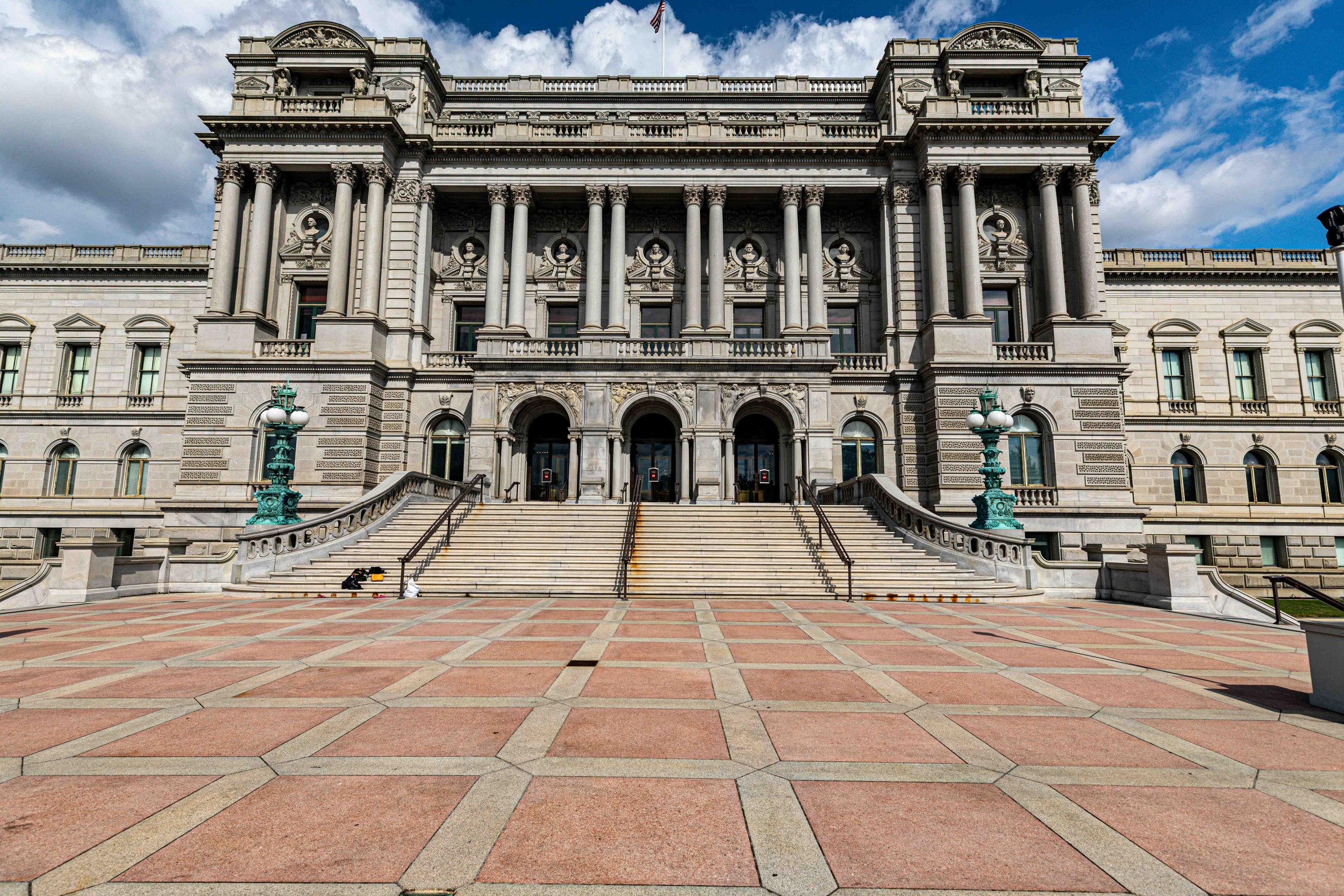
The Main Reading Room overlook was another highlight.
From above, you get a beautiful view of the circular room, reading desks, columns, arches and multiple levels of books.
The symmetry alone makes it an incredible space to photograph.
What I liked most was how different the Library of Congress felt from the Capitol, even though the two are so close together.
The Capitol feels formal and governmental.
The Thomas Jefferson Building feels almost like a combination of a library, museum and palace.
If you appreciate architecture or interior design, I would absolutely put this building on your D.C. list.
Ending the Day at The Wharf
After spending much of the day inside museums and historic buildings, we were ready for a slower evening.
We headed to The Wharf, Washington's waterfront district along the Washington Channel.
The atmosphere was completely different from Capitol Hill.
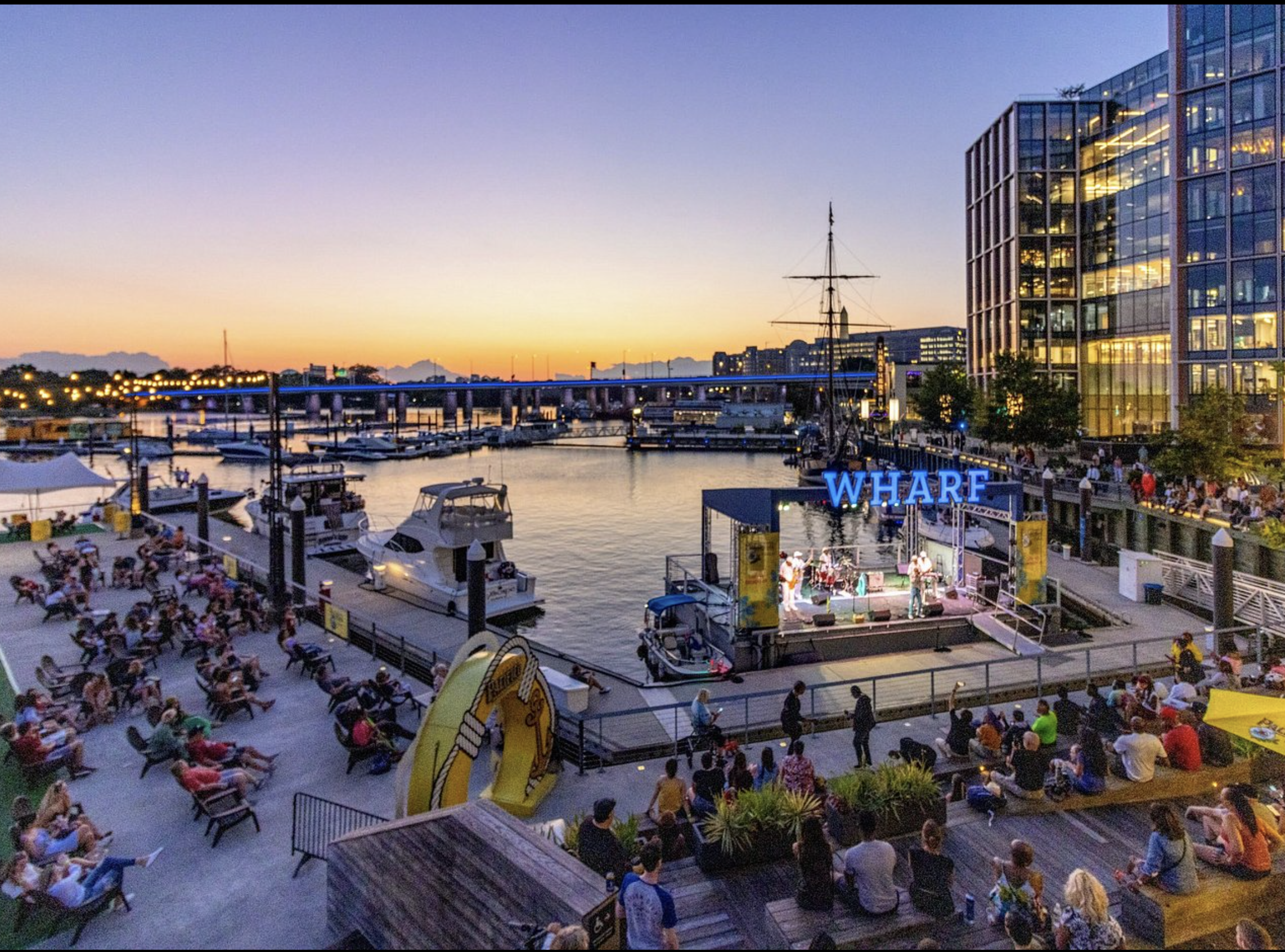
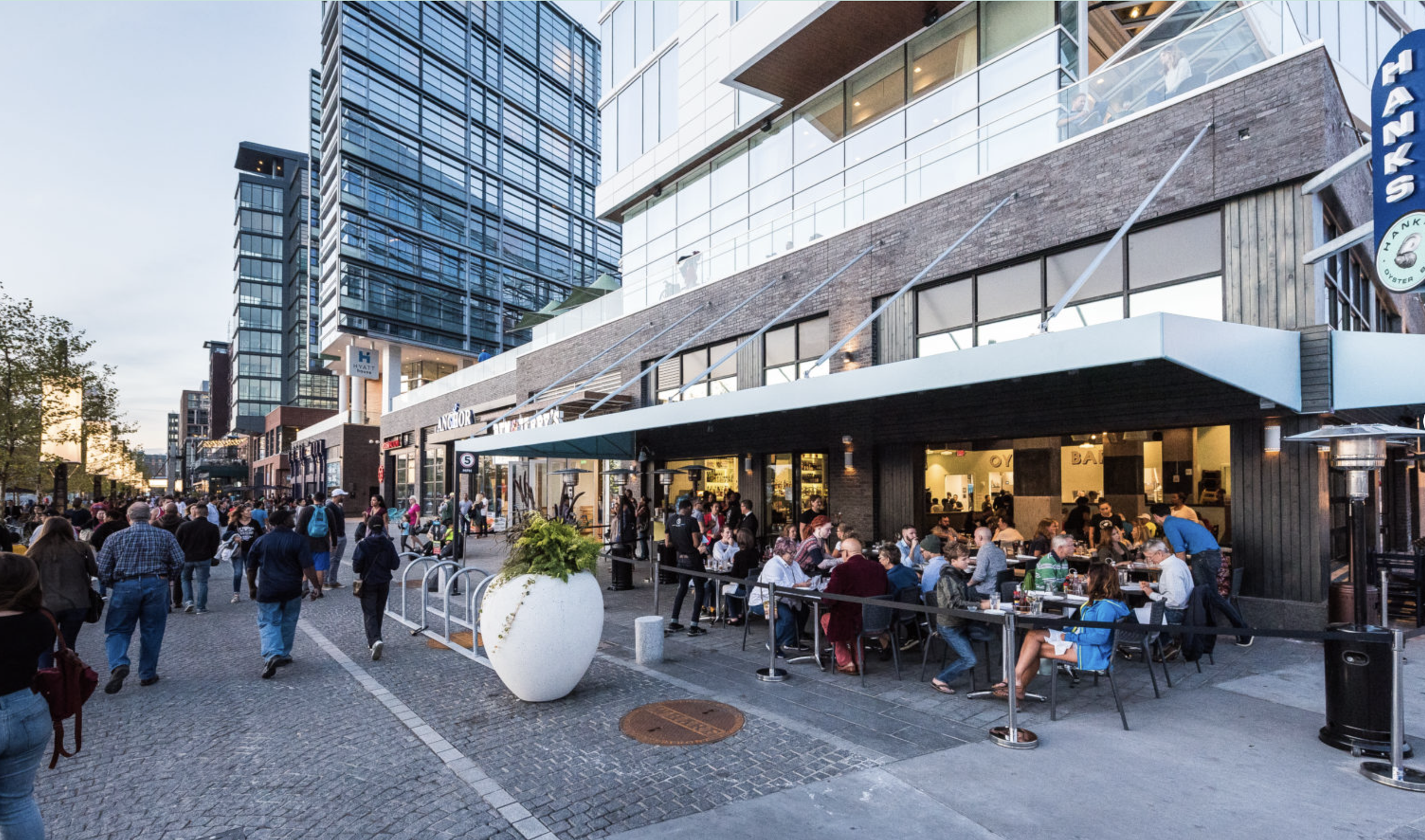
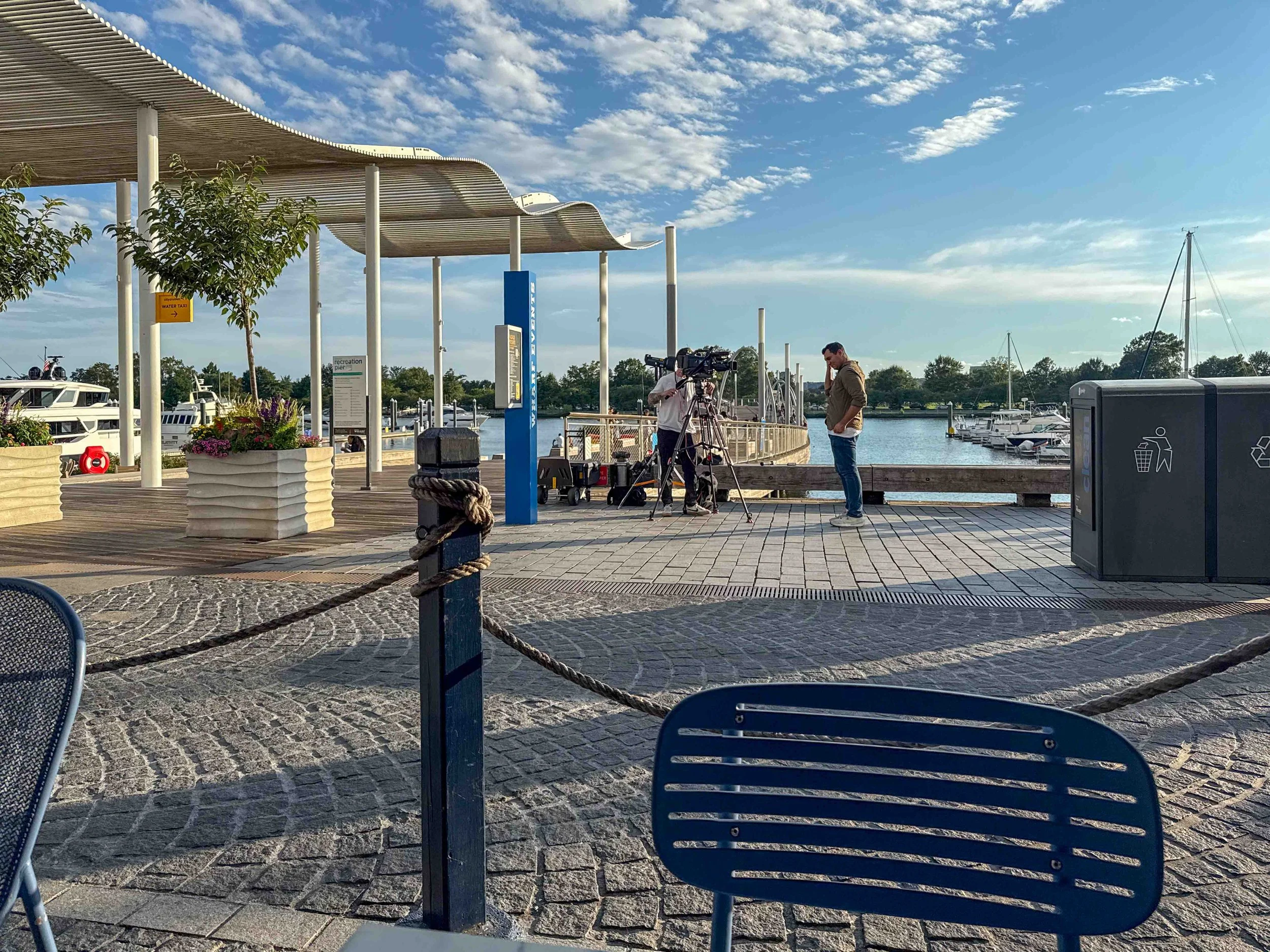
Instead of government buildings, we were surrounded by restaurants, boats, outdoor seating and waterfront views.
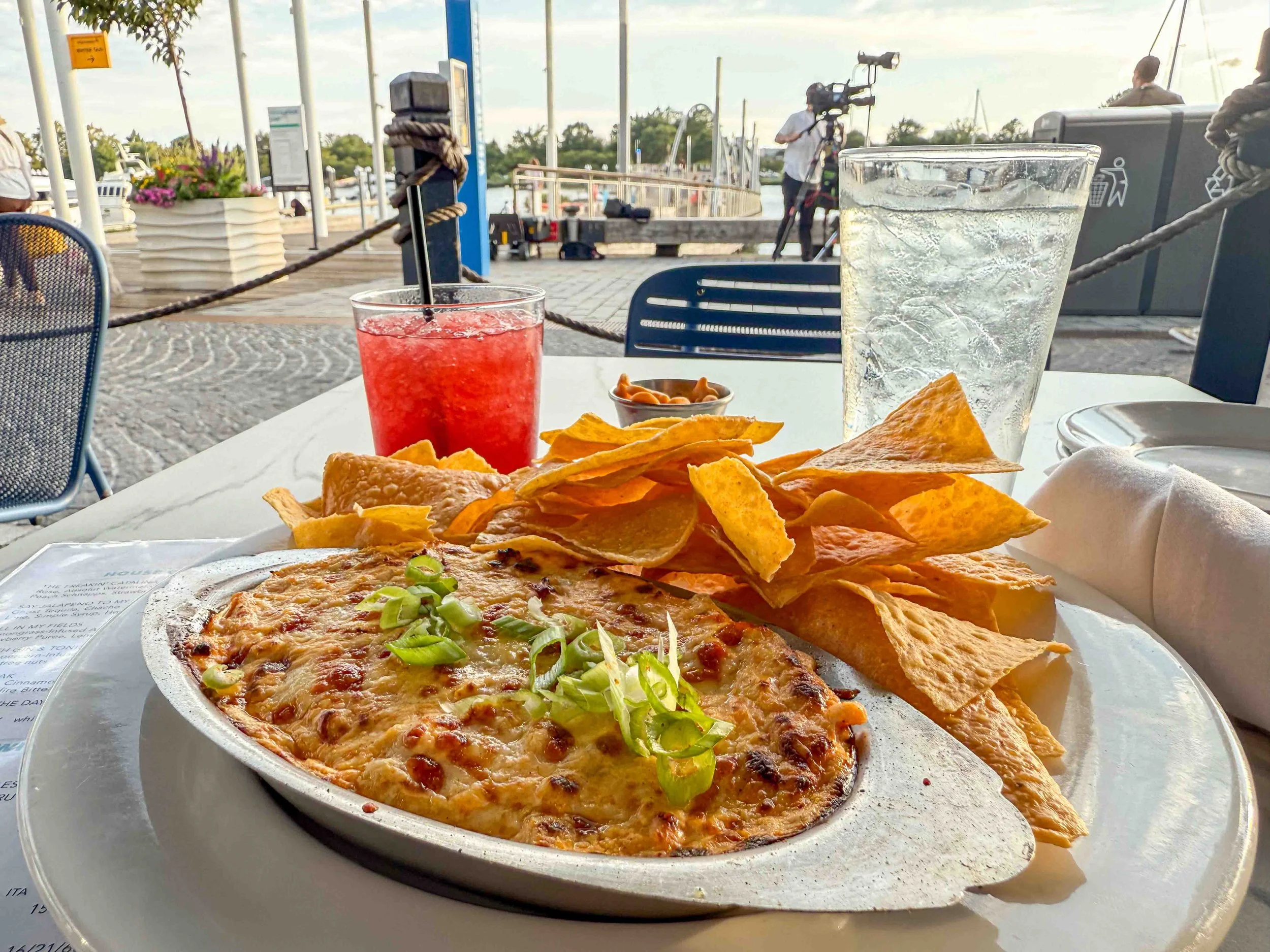
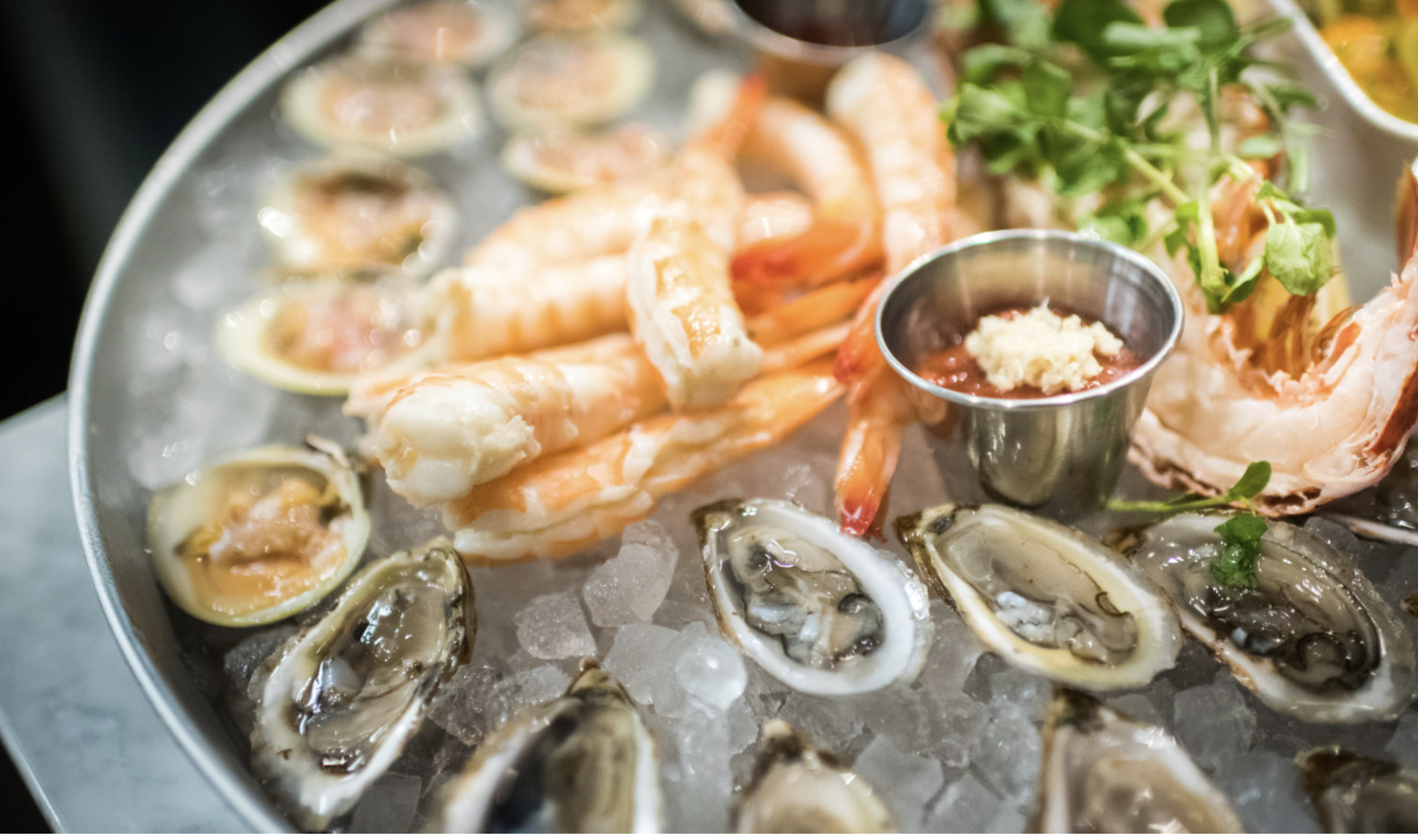
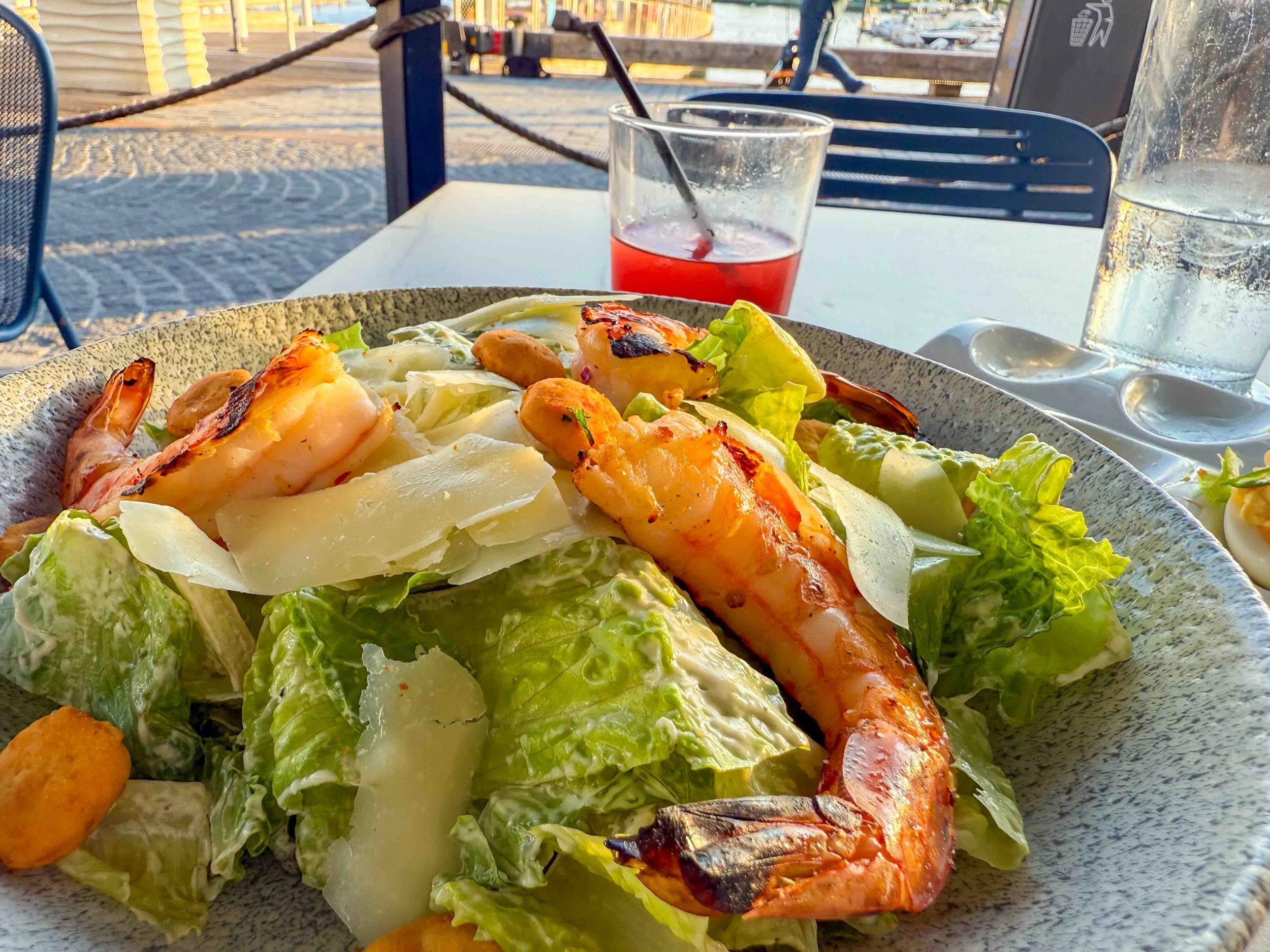
For dinner, we stopped at Hank's Oyster Bar.
We sat outside, ordered drinks and food, and finally had a chance to relax after a full day of sightseeing.
The waterfront setting made this one of those meals where the location became just as memorable as the food.
After hours of walking, photographing and taking in D.C.'s history, sitting near the water for dinner was exactly what we needed.
One Last View of Washington
After dinner, we started making our way back toward the hotel.
There wasn't another tour planned or another attraction we needed to squeeze in.
Day 2 was finished.
But on the way back, I captured one final photograph of Washington as the light was beginning to fade.
It wasn't a planned photo stop. It was simply one of those moments you notice while traveling and decide to capture.
And in a way, that photograph became the perfect ending to the day.
We had started the morning learning about the beginning of flight, spent the afternoon surrounded by American history and architecture, and ended the evening sitting along the Washington waterfront.
For our first full day in D.C., we covered a lot.
And we still had plenty left to see.