
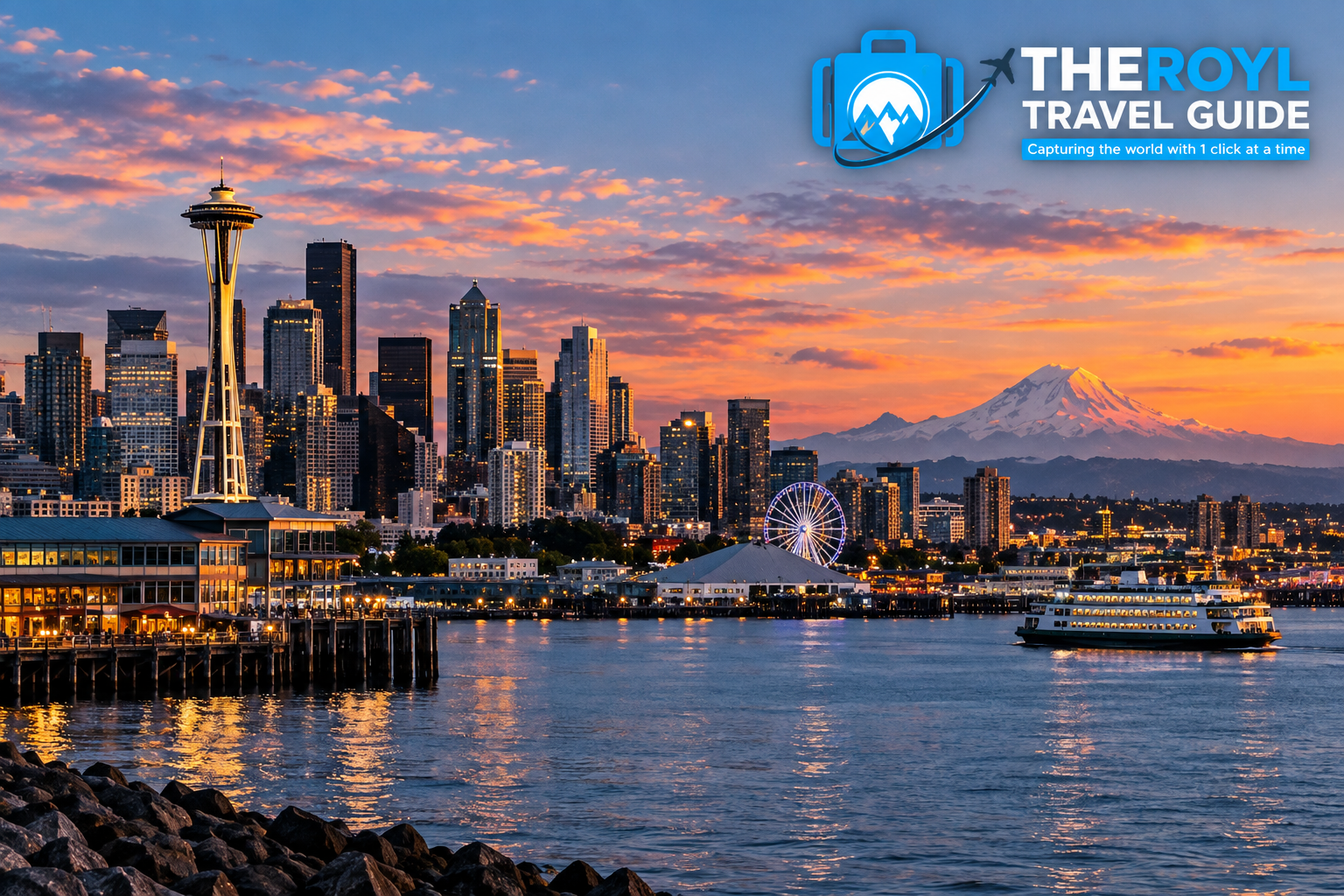
Why the way we fly, stay, eat, and explore is changing in 2026
A SEPTEMBER 2026 FEATURE
For years, travel planning began with a simple question: Where are we going? Pick the city, book the flight, find the hotel, build the itinerary, and fill every available hour. But travel in 2026 is starting to feel different. Increasingly, the destination itself is only part of the decision. Travelers are thinking more carefully about why they are going, when they go, how crowded a place might be, where their money is spent, and whether an experience actually adds something meaningful to the trip.
Hilton has even given this shift a name: the “whycation.” Its 2026 travel research, conducted with Ipsos across 14 countries, found travelers increasingly motivated by rest, reconnection, and personal interests. Hilton President and CEO Chris Nassetta summarized the idea well: “More than ever, it’s the feeling behind the trip that’s guiding where the journey begins.”
That doesn’t mean famous destinations, luxury hotels, first-class flights, or carefully planned itineraries are going away. It simply means travelers are asking what those things actually contribute to the experience.
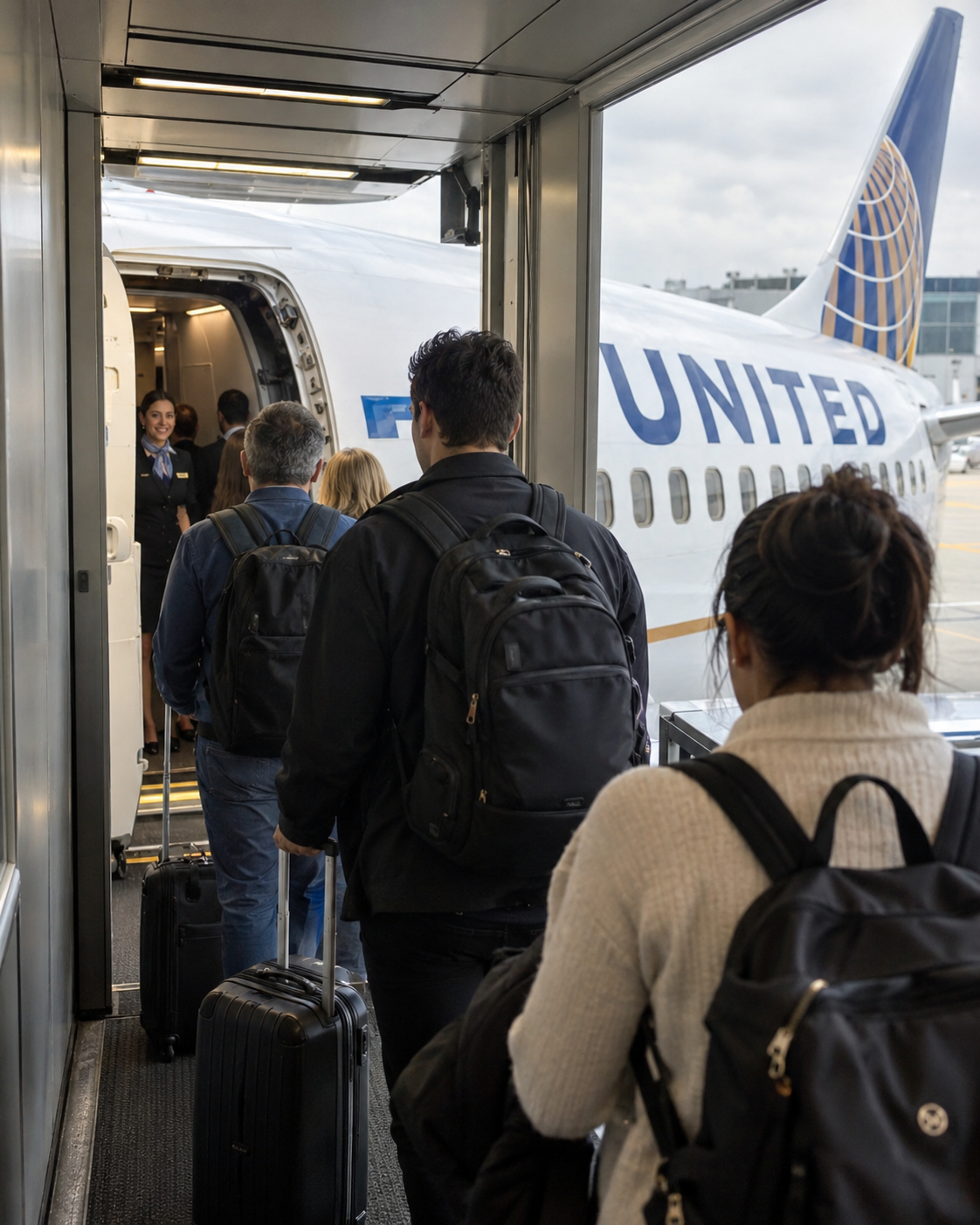
WHEN YOU GO MATTERS
One of the clearest examples is timing. For decades, travel revolved around predictable peak periods like summer vacation, spring break, and major holidays, while anything outside those windows was considered shoulder season. Now those boundaries are starting to blur.
Skyscanner found that 31% of travelers plan to visit popular destinations during shoulder seasons specifically to avoid crowds, while 32% said overcrowding had already negatively affected a past trip. SiteMinder’s analysis of more than 130 million hotel bookings found that in 65% of the markets it studied, the busiest month represented a smaller share of annual arrivals than before. James Bishop of SiteMinder described the trend simply:
“Shoulder seasons are gaining significant momentum.”
The appeal goes beyond price. A museum without a massive line feels different. So does a neighborhood restaurant when it isn’t overwhelmed with visitors. There is more room to walk, wander, talk with people, change plans, and notice things that might otherwise get lost in a tightly packed itinerary. Intentional travel doesn’t necessarily mean doing less. It means leaving enough room to actually experience what you are doing.
“Travel isn’t becoming less ambitious. It may simply be becoming more selective.”
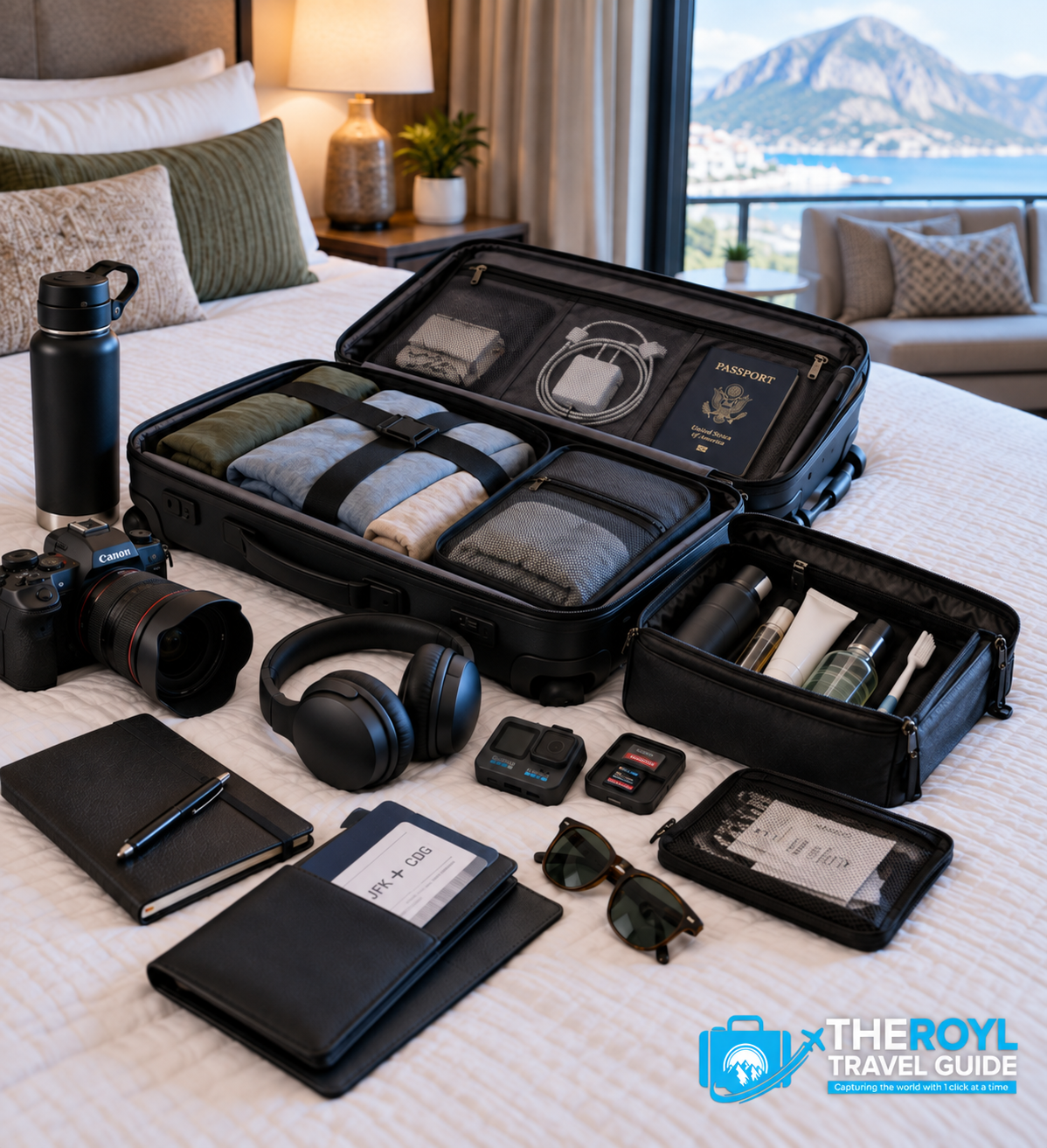
THE TRIP STARTS BEFORE TAKEOFF
That same change is happening before the traveler even reaches the destination. Airports were once designed around one primary objective: move people efficiently from the curb to the airplane. Today, many airports are also trying to become the first introduction to the city or region itself.
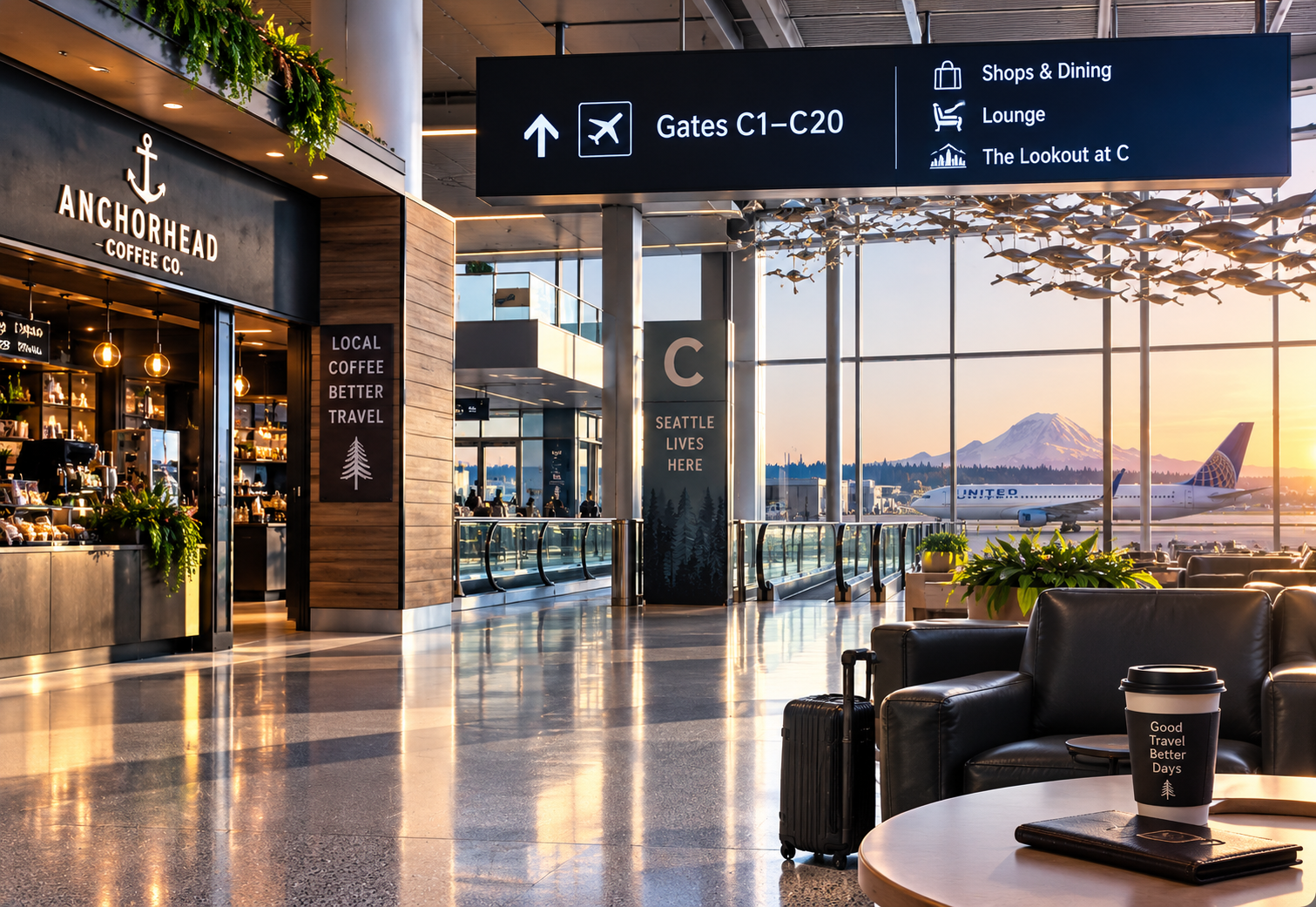
J.D. Power’s North America Airport Satisfaction Study found strong gains in food, beverage, and retail, particularly at airports that incorporated local restaurants, businesses, and regional identity. Michael Taylor of J.D. Power pointed to the growing focus on “unique, local flavor.” The study also found that passengers who rated their airport experience as “perfect” spent an average of $42.39 in the terminal, which was $16.54 more than travelers who described the experience as merely “just OK.”
Seattle-Tacoma International Airport provides a good example. SEA served a record 52.7 million passengers in 2025, and its expanded C Concourse opened in 2026 with new restaurants, shops, artwork, performance areas, small-business kiosks, and an airfield observation space called The Lookout at C. The project was designed with the Pacific Northwest in mind, giving travelers something that feels connected to Seattle rather than interchangeable with any other major airport.
The airport, in other words, doesn’t have to be somewhere you simply endure before the trip begins. Done well, it becomes the destination’s opening chapter.
FAMOUS DOESN’T HAVE TO MEAN FAKE
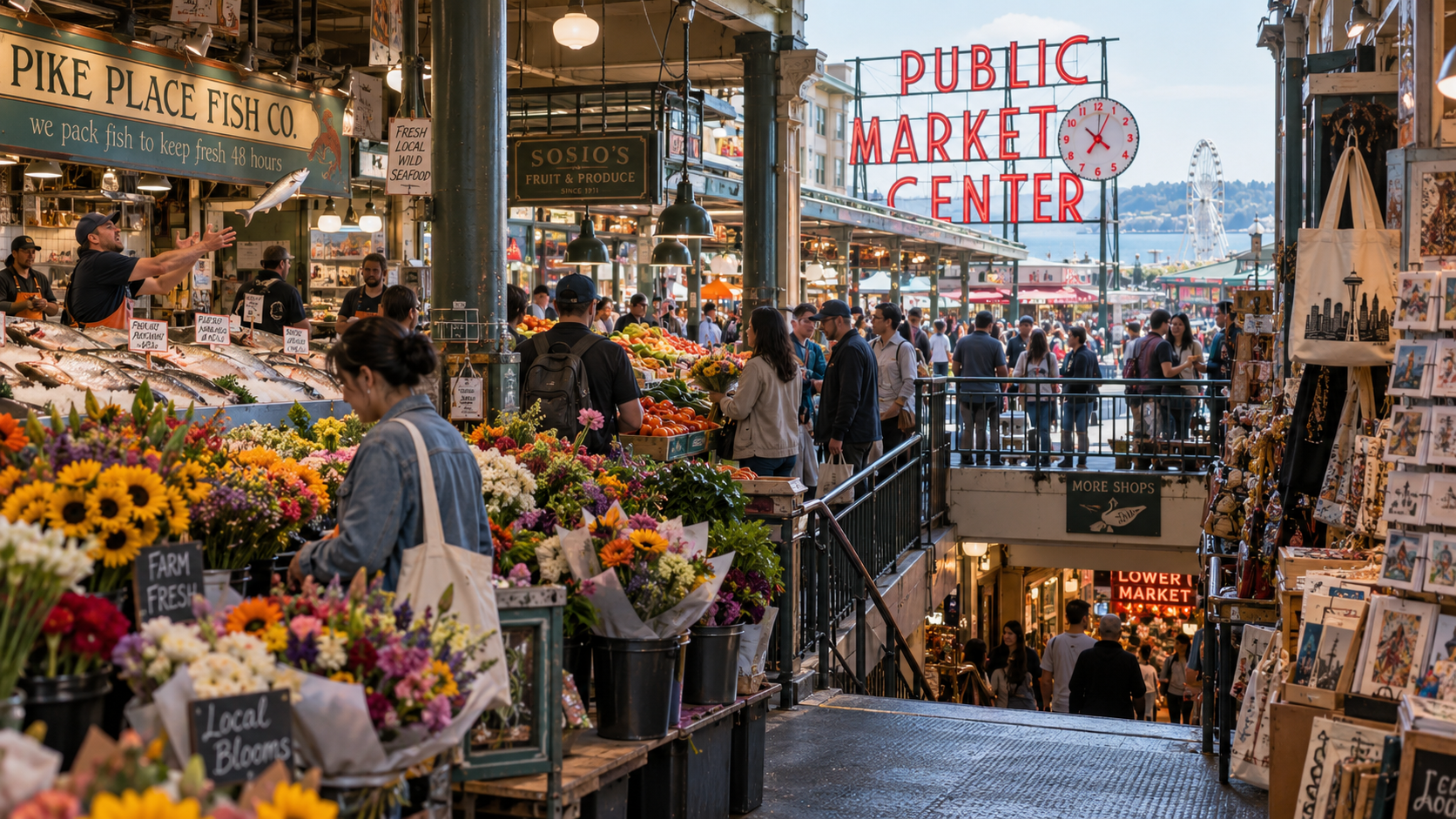
Once travelers arrive, another question appears: should they visit the famous places, or avoid them because they are considered too touristy? Pike Place Market offers a strong answer. Go. Just don’t stop at the obvious parts.
Pike Place began in 1907 after Seattle residents and farmers became frustrated with rising food prices and the role of middlemen. According to the Market’s own historical records, onions had risen from 10 cents to $1 per pound. The city responded by creating a public market where farmers could sell directly to shoppers. On opening day, only six to 12 farmers arrived, and they sold everything by lunchtime. One farmer later remembered the chaos with the line,
“I got rid of everything all right, but I didn’t really sell a turnip.”
More than a century later, Pike Place is still far more than a tourist attraction. Its nine historic acres include independent shops, craftspeople, farmers, restaurants, street performers, social-service programs, and affordable housing. The famous sign and flying fish are part of the experience, but they are not the whole story.
Intentional travel doesn’t require avoiding famous places. It means looking beyond their most obvious version. Take the photo, watch the fish toss, then keep walking. Explore the lower levels. Talk with vendors. Eat somewhere independently owned. Look at what is actually being made and sold. Two travelers can visit the same landmark and leave with completely different experiences. “One saw it. The other understood something about it.”
A CITY IN A COFFEE CUP
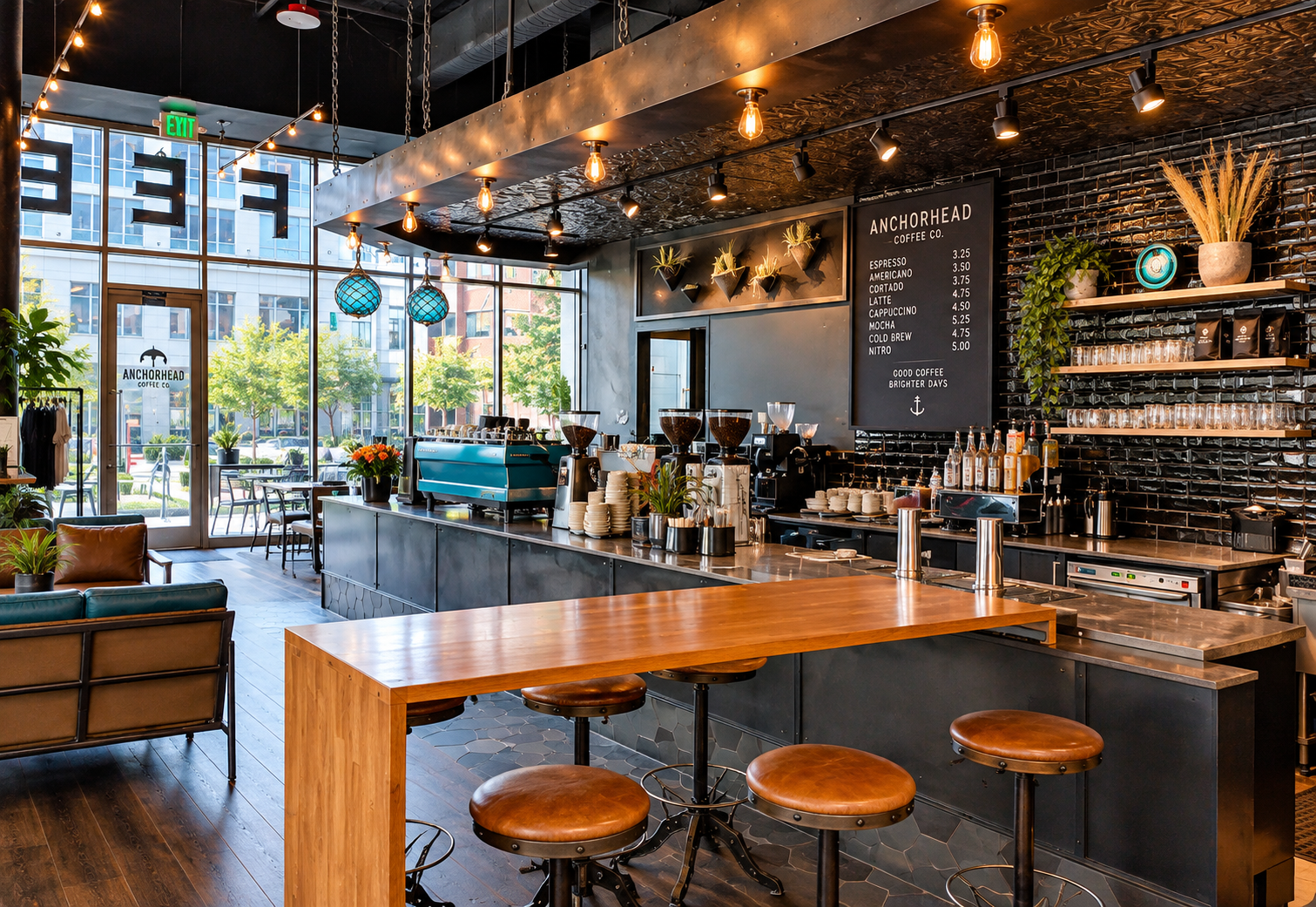
Sometimes that deeper understanding comes through something as simple as coffee. Coffee shops offer an unusually easy way to experience the rhythm of a city. Sit inside a neighborhood cafe for half an hour and pay attention. Who is coming in? Are people working, talking, or reading? Are they grabbing something to go or staying for a while? Who is roasting the coffee? What is happening outside the window?

The National Coffee Association reported in 2026 that 66% of American adults drank coffee during the previous day, while specialty coffee remained at record levels. Specialty Coffee Association CEO Yannis Apostolopoulos said the numbers show that “quality, craft, and the experience around coffee matter more than ever.”
That final word matters. Experience. A cafe can simply provide caffeine, or it can give a traveler thirty minutes inside the daily life of a neighborhood. The same is true of bakeries, markets, diners, neighborhood bars, and locally owned restaurants. Sometimes the places between the attractions tell you more about a destination than the attractions themselves.
WHERE WE SPEND MATTERS
And all of those choices matter economically, too. Seattle and King County welcomed roughly 39.7 million visitors in 2025, generating about $8.8 billion in visitor spending and supporting more than 68,000 jobs. One coffee, one dinner, or one hotel reservation does not transform a city. But millions of those decisions do.
Choosing an independent vendor, a neighborhood roaster, a locally owned restaurant, or a hotel that supports the surrounding community helps shape what remains for the people who live there and what will still exist for the next traveler.
WHY ARE WE GOING?
Taken together, these trends point to something larger. Travelers are spreading trips beyond traditional peak seasons. Airports are investing in local identity. Famous attractions are being reconsidered as living communities rather than checklist items. Neighborhood businesses are becoming part of how visitors understand a destination. Hotels are being asked not only to accommodate travelers, but to connect them with the places outside their doors.
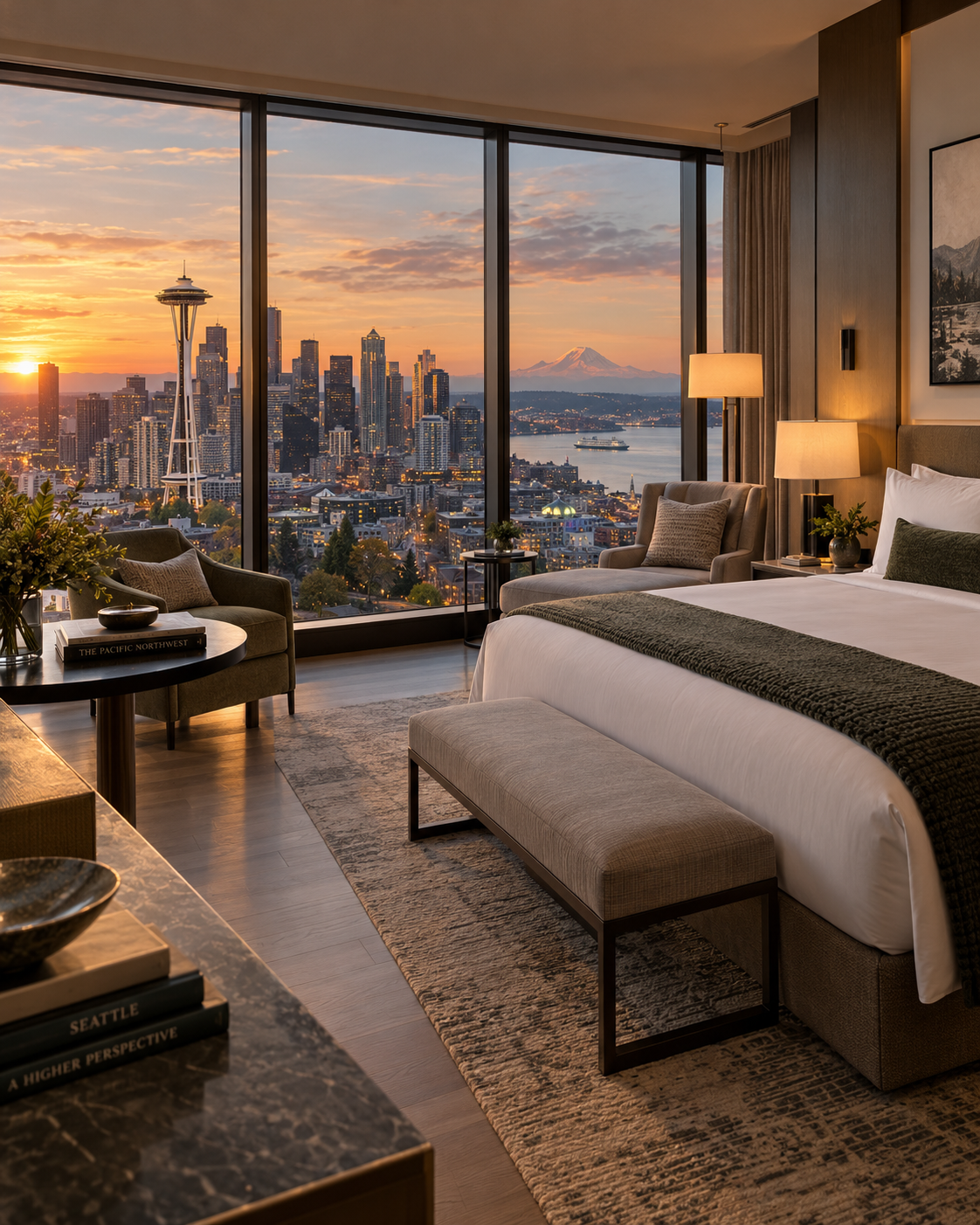
We have also never had more information about where to go, where to stay, what to eat, or what to do. Yet the moments people remember most are often the ones no itinerary could guarantee: the shop you wandered into, the conversation at the bar, the coffee that turned into an hour-long break, the market you planned to visit for thirty minutes and stayed at all morning, or the airport window where you stopped rushing and watched airplanes for a while.
Intentional travel isn’t about rejecting tourist attractions, luxury hotels, aviation, or carefully planned itineraries. It is about understanding why they are part of the trip. Because a vacation does not automatically become meaningful because you traveled farther, spent more, or checked another attraction off a list.
SOURCES & FURTHER READING
Research and statistics referenced in this article were drawn from the following industry and primary sources.
• Hilton — 2026 Trends Report: The Whycation. Research on intentional travel, traveler motivations, and the growing emphasis on the purpose behind a trip. View source
• Skyscanner — Horizons 2026. Research covering shoulder-season travel, overcrowding, and changing destination choices. View source
• SiteMinder — Hotel Booking Trends 2026. Analysis of more than 130 million hotel bookings and the growth of travel outside traditional peak seasons. View source
• J.D. Power — 2025 North America Airport Satisfaction Study. Passenger research examining airport experience, local dining and retail, satisfaction, and spending. View source
• Port of Seattle — Seattle-Tacoma International Airport. Official passenger statistics and information about SEA Airport and the 2026 C Concourse expansion. View source
• Pike Place Market Preservation & Development Authority — Market History. Primary historical information about Pike Place Market’s founding in 1907 and its continuing role in Seattle. View source
• Pike Place Market Preservation & Development Authority — About the Market. Information on the Market’s farmers, independent businesses, craftspeople, residents, and community programs. View source
• National Coffee Association & Specialty Coffee Association — 2026 Specialty Coffee Research. Data on U.S. coffee consumption, specialty coffee, and the role of coffee experiences outside the home. View source
• SiteMinder — Changing Traveller Report 2026. Research on how travelers discover hotels, word-of-mouth recommendations, and changing accommodation expectations. View source
• Accor & Globetrender — Experiential Travel Trends Report 2026. Research examining local recommendations, authentic experiences, technology, and human connection in hospitality. View source
• Visit Seattle — 2025 Seattle & King County Visitation Data. Official visitor-volume, spending, employment, and tourism-tax data for the Seattle region. View source
Editorial note: Sources were selected from primary organizations and established travel, hospitality, aviation, and tourism research bodies.